











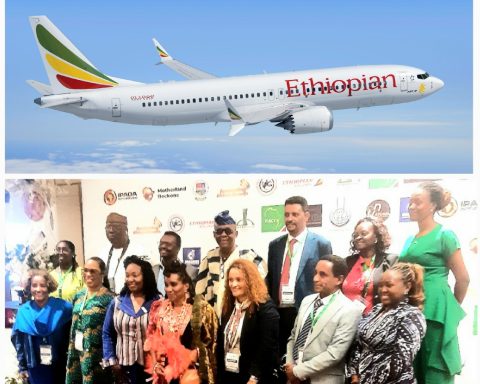
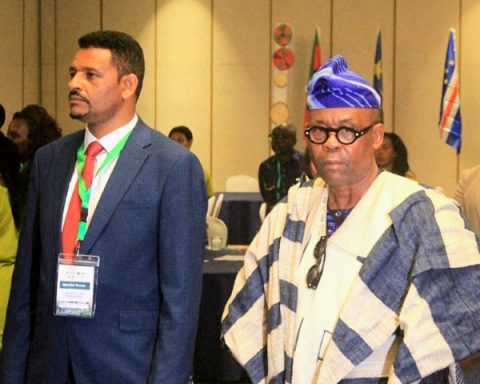

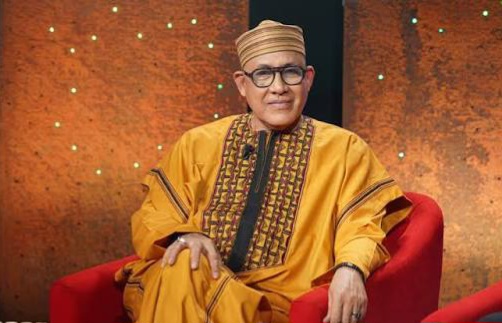
The homecoming of UNESCO-recognized fashion designer, Alphadi, to Africa for IPADA INITIATIVES CELEBRATIONS 2025 on November 28th to December 7th 2025 is fast generating a huge excitement among Africans in the Diaspora and back home here.
And this has been made possible by the Founder’s efforts, Otunba Olawanle Akinboboye’s extensive connections and networking in the past weeks across the continents.
Alphadi, widely known as the founder of the International Festival of African Fashion and an icon of economic empowerment, has expressed significant enthusiasm for the IPADA INITIATIVES CELEBRATIONS.
Following this, we delve deeper into the life of Alphadi, the renowned “Wizard of the Desert.”
Alphadi studied at Cardon Savard Studios in his label in 1984,and his first haute couture line was released in 1985 at the Paris International Tourism Tradeshow. His line has since extended into sportswear and perfume. The Alphadi line, which has ‘Complexe Alphadi’ boutiques in Niamey (on Ivory Coast and Paris
In 1998 Alphadi was one of the three African fashion designers to win the Principal Prince Claus Award; the other two were Tetteh Adzedu from Ghana and Oumou Sy.
In 1998, he created the first FIMA, the International Festival of African Fashion which was located in Niger. This event allowed African designers to come together with other international designers such as Yves Saint Laurent, Kenzo, Jean Paul Gaultier and Paco Rabanne. Since then, the event has been going on every 2 years. In 2007, he launched a new contest during the FIMA and Hip Hop FIMA Contest.
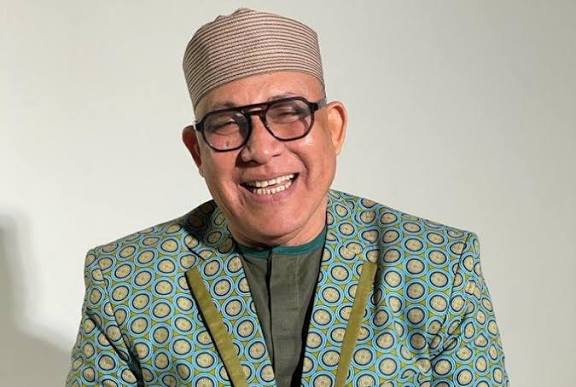
Alphadi maintains production facilities in Niamey and Morocco, and splits his time between homes in Niamey and Paris. He is married, a father of six children.
Alphadi was named UNESCO artist for peace in January 2016 and UNESCO Goodwill Ambassador for African innovation and creation in 2022.
Alphadi is committed to supporting the textile industry and promoting traditional know-how throughout the African continent. The internationally-recognized designer, who created the International Festival of African Fashion, has become a symbol of the struggle for economic development. His latest dream is on the verge of coming true — creating a school dedicated to fashion and the arts in Niamey meeting up with this “Wizard of the Desert”.
Alpahdi is a pan-Africanist by descent and conviction, born in Timbuktu to a Moroccan mother and a Nigerien father of Arab descent. He grew up in Niger and did part of his studies in Togo.
He also has a family in Morocco, Mauritania, and Côte d’Ivoire. All these countries are part of his mixed heritage that he holds proudly as a sign of African unity and dignity.
He got a degree in tourism in Paris to respect family wishes for him, studied by day, and by night attended fashion shows. He ended up rubbing shoulders with some of the most renowned fashion designers of the time. Once he received his tourism diploma in 1980, he returned to Niger and worked for the Directorate of Tourism in the Ministry of Trade in Niamey.
He created a weaving and embroidery workshop and later trained at the Atelier Chardon-Savard fashion school in Paris.
Furthermore he earned working in a weaving mill in Niger and created the Alphadi fabric. Then he availed of the voluntary retirement support programme from the civil service, a support credit for setting up businesses, and a subsidy from the European Union. This enabled him to buy his first machines and hire my first employees. And that’s how the Alphadi brand was born.
The brand was recognized in Paris in 1985.
It was at the International Tourism Trade Fair. Paco Rabanne, Yves Saint-Laurent and some other designers and models that he knew from his time studying in Paris, came to lend him a helping hand.
But his greatest moment will always be the second International Festival of Fashion that took place in Paris in 1987. All the biggest names in the fashion industry were there. There were thousands of models and tens of thousands of spectators, and a billion television viewers around the world were watching! To present collection on an open-air catwalk in the Trocadero gardens accompanied by griots [West African travelling poets and musicians] and camels is incredibly moving.
Alphadi worked with very talented craftspeople. From the very beginning, he hired more than a dozen weavers and about twenty technicians specialized in sewing, embroidery and beadwork. Later, he created a team of jewellers in Niger and a team of tanners in Morocco.
In the 2000s, he launched a perfumery and cosmetics brand which used ingredients of African origin. And in 2005, he introduced a sportswear collection, including jeans, T-shirts, etc., at prices that are affordable for young people.
Alphadi is known for fighting to create value for the African people, to offer them work, and to make sure their creativity is recognized. He manufactures his fabrics in different countries including Niger, Nigeria, Ghana, Côte d’Ivoire, Mali, Senegal, and Morocco and advocating for the reopening of textile mills in Africa.
Revitalizing the African textile industry and enhancing traditional know-how have been at the heart of this noble project as a fashion designer, from the very beginning. All the approaches taken are geared towards these objectives.
Alphadi has been president of the African Federation of Couture since it was founded in 1994.
The Federation was founded in Ghana, and its headquarters have moved as political situations in African countries changed. It’s stated that there are no means to match ambitions, but making sure everything is done to help develop African fashion and design in all its diversity. A major missions is to develop the protection of trademarks, particularly with the African Intellectual Property Organization — but also with the World Intellectual Property Organization — to encourage African countries to adhere to the international trademark system.
It’s worthy of note that Alphadi created a fashion festival in the middle of the desert!
The International Festival of African Fashion (FIMA) was born in the Tiguidit desert in Niger in 1998. It is the culmination of many of my dreams — showcasing African creations, promoting young designers, enabling encounters, mixing cultures, cohesion, diversity, and peace.
These are all values with greatest importance.
Alphadi’s big project at the moment is to create an international school dedicated to fashion and the arts in Niamey which he has been dreaming about for ten years, and two years ago was given the land for this.
The year 2016 was significant for Alphadi’s work with the United Nations; he was named a UNESCO Artist for Peace in January, and then joined the Coalition of Artists for the General History of Africa just a few months later in April.
* With additional information from UNESCO Courier