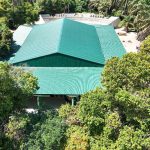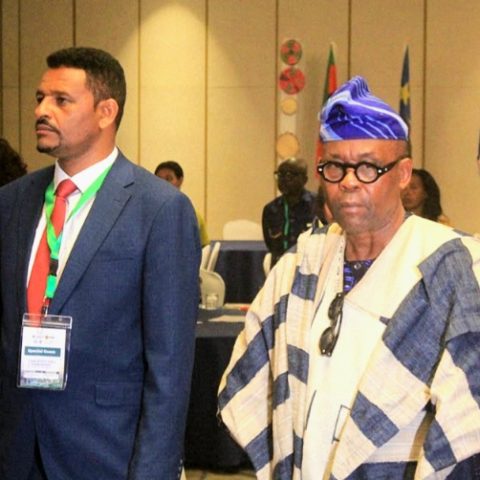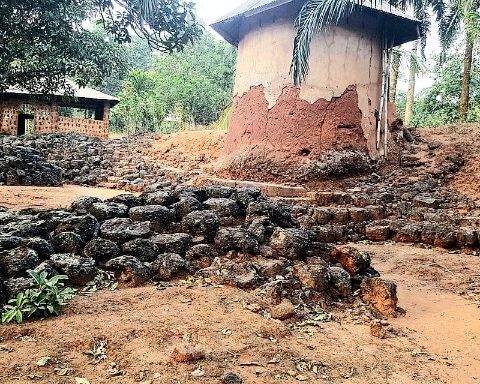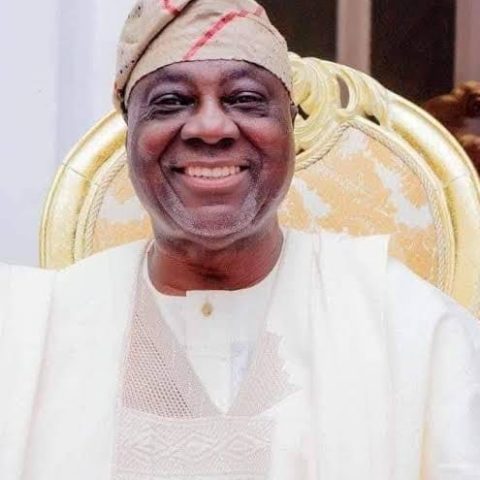



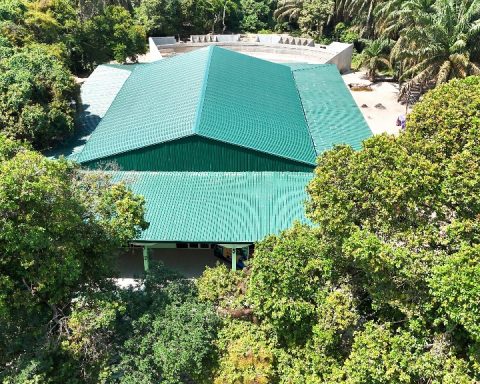
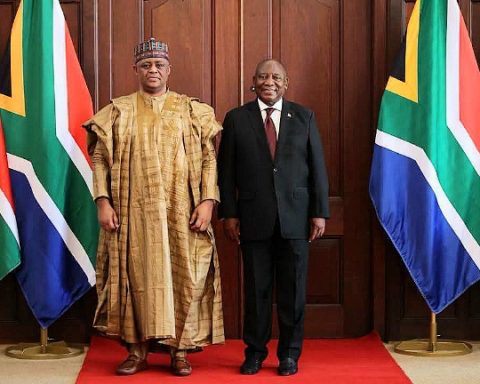



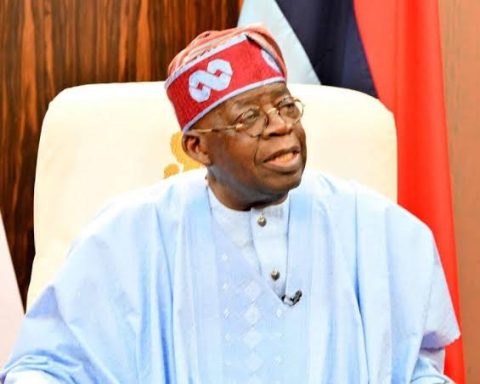
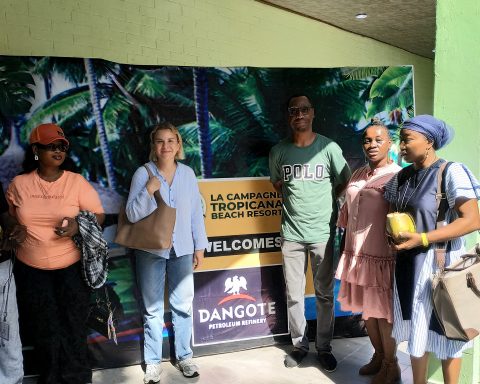

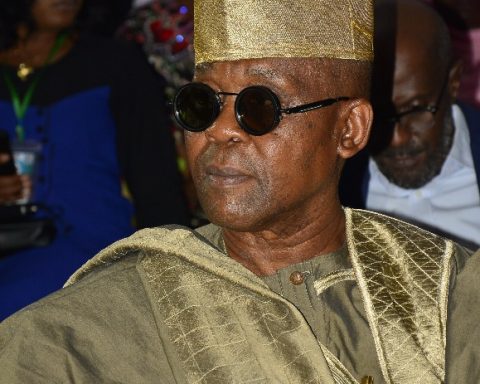


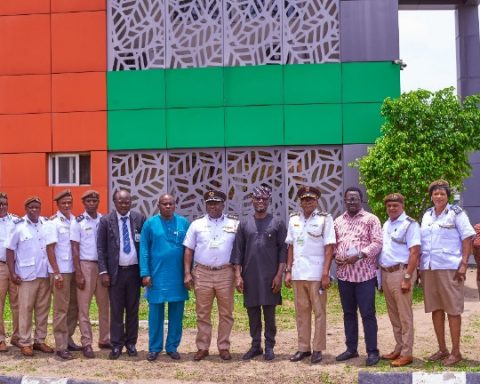



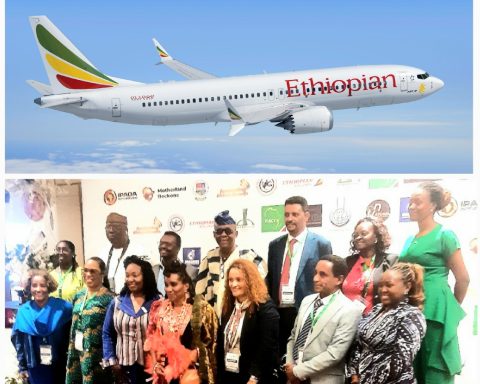
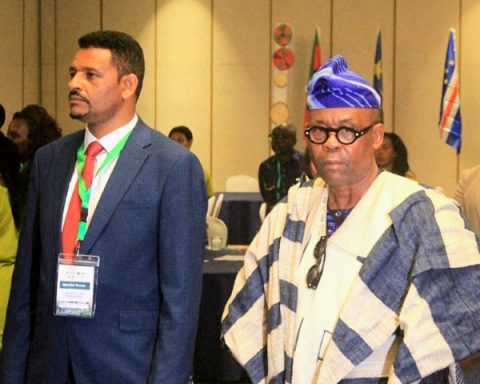

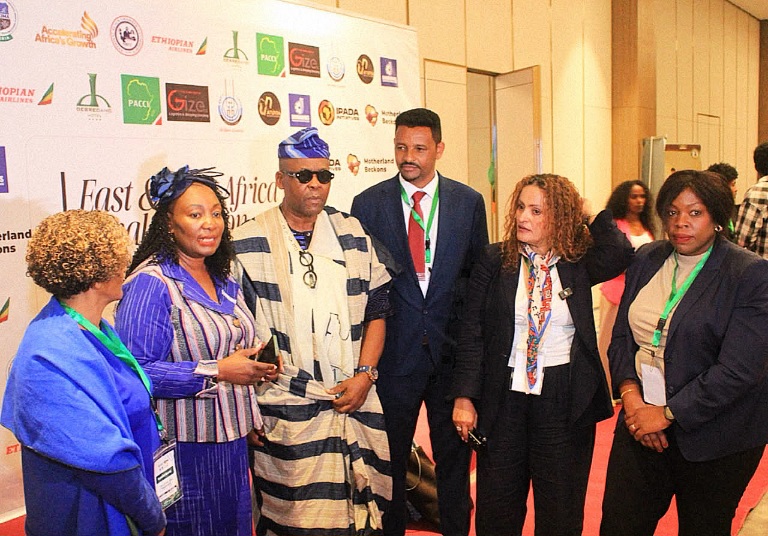
▪︎ Pix 1: An Ethiopian Airline plane in the sky; Pix 2: Group photo of some of the dignitaries led by Otunba Olawanle Akinboboye, the Convener, at the East-West Africa Amalgamation Conference in Addis Ababa
By Paul Ukpabio In Addis Ababa
There are many reasons Ethiopia will remain, “The Pride of Africa.”
And it is not a nickname they gave themselves. It is a name Africa gave them. That’s because, in a continent that was shared like cake at a Berlin table in 1884, Ethiopia said No.
Men came with maps and guns to colonize Africa. They took the West. They took the East. They took the South. They took the North.
But when they reached Ethiopia, they met a different story.
In 1896, at Adwa, a mountain town that the world had never heard of then, history later told, of Ethiopian farmers, priests, women carrying water, princes on horseback, led by Emperor Menelik II and Empress Taytu, that defeated a modern European army.
Italy had come with cannons. Ethiopia came with courage. And Italy fell in a humble way.
That day, every Black man in the world must have stood a little taller. From Harlem in America, to Kingston in Jamaica, to Lagos in Nigeria, the news went like wildfire:
So people said then that:
“There is one country in Africa that was never colonized. One country that never bowed.” The women across Africa sang like the Isrealite women did after David slayed Goliath.
That is why Ethiopia is not just a country. It is a symbol. It is the Pride.
But pride alone does not feed a people. And Ethiopia knew this early.
Ethiopia understood a long time ago that history is not enough if people cannot come and touch it. So she began a second battle. This time around, it was not to defend herself from outsiders, but to invite outsiders in. To come and see.
And that began Ethiopia’s continuous thirst to grow tourism in Africa. Today, Ethiopia has emerged as a country that is a museum without a wall.
You cannot talk about tourism in Africa without talking about Ethiopia. That’s because, Ethiopia is not a destination with one or two attractions. Ethiopia is, the attraction.
Where else will you find this?
In the North, Axum, where obelisks taller than modern buildings stand like fingers pointing to God. Where the Queen of Sheba was born. Where, they say, the Ark of the Covenant rests, guarded by one priest who will never leave his chapel until death.
In Lalibela, where a king had a dream from God. King Lalibela looked at Jerusalem and said, “If my people cannot go to Jerusalem, I will bring Jerusalem to my people.” And he ordered his men to carve 11 churches out of solid rock, not just building up, but digging down into the earth. Churches where the roof is at ground level. You walk down into them, like you are descending into heaven. UNESCO calls it a World Wonder. Ethiopians call it home.
In Gondar, the Camelot of Africa. Castles. Real castles. With stone walls and towers built by Emperor Fasilides in the 1600s. In Africa. You stand there and ask, “Is this Scotland? Is this Ethiopia?”
In the South, the Omo Valley, where time stopped. Where the Mursi women wear lip plates, where the Hamar men jump over bulls to become men, where eight different tribes live the way their ancestors lived 500 years ago. It is not a show for tourists. It is life.
In the East, Harar, the walled city of saints. 82 mosques inside ancient walls. The fourth holiest city in Islam. Where at night, it is said that a man calls hyenas by name and feeds them meat from his mouth. And they come!
That’s why this is Africa. Africa has stories. Fantastic stories that compels a visit. A visit that grows tourism. Ethiopia challenges other nations to tell their stories. “Can your stories be more fantastic than ours?” And the contest ends with a sigh, because the streets of Addis Ababa, the nooks and crannies of Ethiopia, speaks more of beautiful stories of before and now, more than that of many nations.
Addis Ababa, the new flower, that you can’t help but re-echo, is at 2,355 meters above sea level, the third highest capital in the world. Cool air. The rains in September, making the air as cold of that of London in the month of March.
‘Addis’ as the city is fondly called here by residents, has wide avenues. Here lies the headquarters of the African Union. The city where Africa meets to discuss Africa.
And everywhere, Lucy.
Lucy: Dinkinesh. The mother of us all. 3.2 million years old. Found in Afar. The oldest human ancestor ever found. In Addis, you can get told that, when you stand in the National Museum here and look at her small bones, you understand that we all came from Ethiopia. All of us. Ethiopian, Nigerian, American, Chinese, our first mother was Ethiopian!
Which other country can say that? The land of origin, it is called.
And the thirst for tourism in Ethiopia is endless.
But unlike other places in Africa, Ethiopia did not just sit on these treasures and say “Come.”
Ethiopia has worked her tourism.

From the days of Emperor Haile Selassie, who built Ethiopian Airlines in 1945, when most African countries had no airline, no airport, Ethiopia was thinking about connection. He said, “If they cannot come by road, they will come by sky.”
And today, Ethiopian Airlines is the largest, most profitable airline in Africa. I understand it flies to about 133 cities in the world. It carries not just Ethiopians, but Nigerians and other nationals going to other parts of the world. Most of the passengers on my flight were heading to Qatar and other places. Ethiopian Airlines connects Africa to itself and to the world. That is tourism infrastructure.
The government built hotels, from the old Ghion to the new Skylight, to Sheraton Addis, to dozens of five-star lodges in the middle of nowhere, in Simien Mountains, where I understand that you can wake up and see Gelada baboons, bleeding-heart monkeys that are found nowhere else on earth, you can see them from outside your window.
Ethiopia built roads to Lalibela. Ethiopia built airports in Axum. Ethiopia trained guides who speak languages: English, French, Italian, Chinese.
And the story goes that, when COVID killed tourism all over the world, Ethiopia did not complain. Instead, Ethiopia renovated. The Prime Minister launched the “Dine for Sheger” and “Beautifying Sheger” projects, cleaning Addis Ababa, building parks, building the Entoto Park, building the Unity Park inside the palace where emperors once lived and no ordinary person could enter. Now according to a guide, ordinary people enter.
Tourists enter. And tourists are everywhere you turn here.
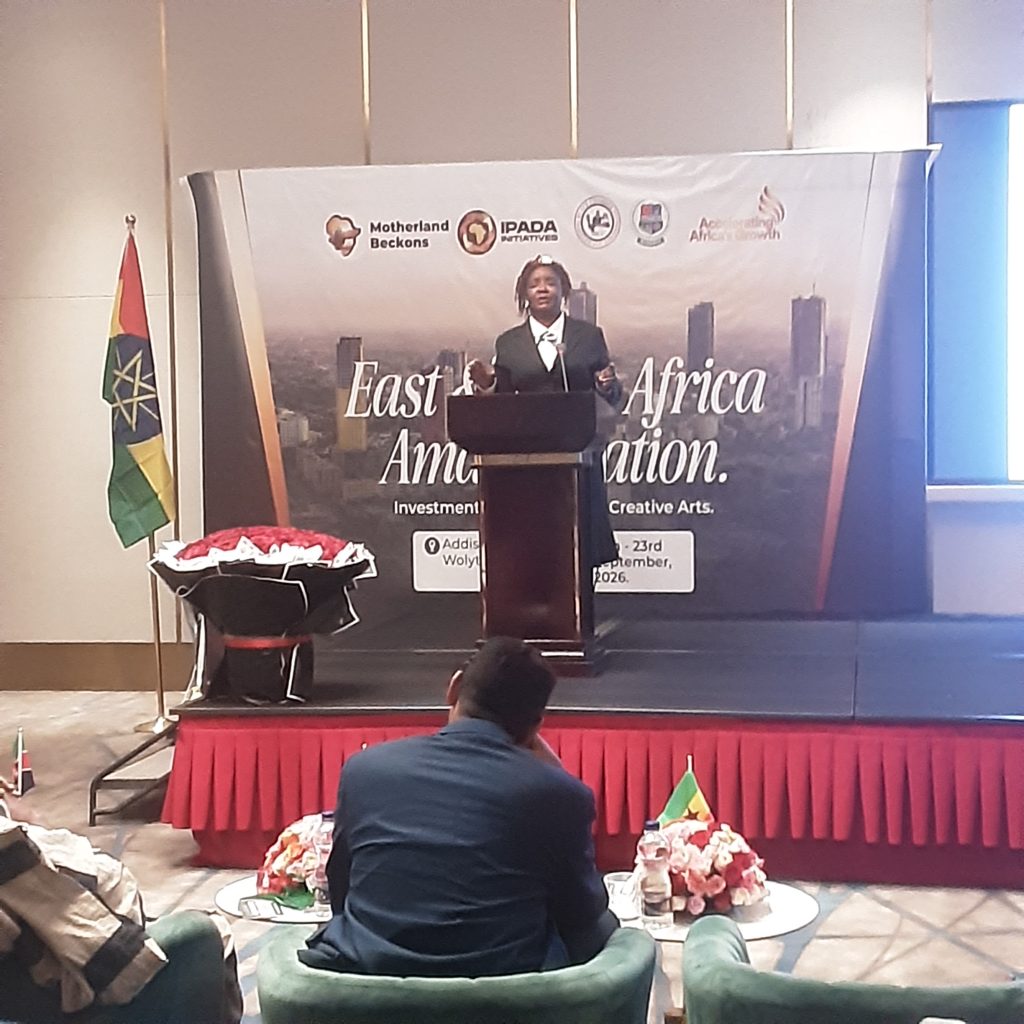
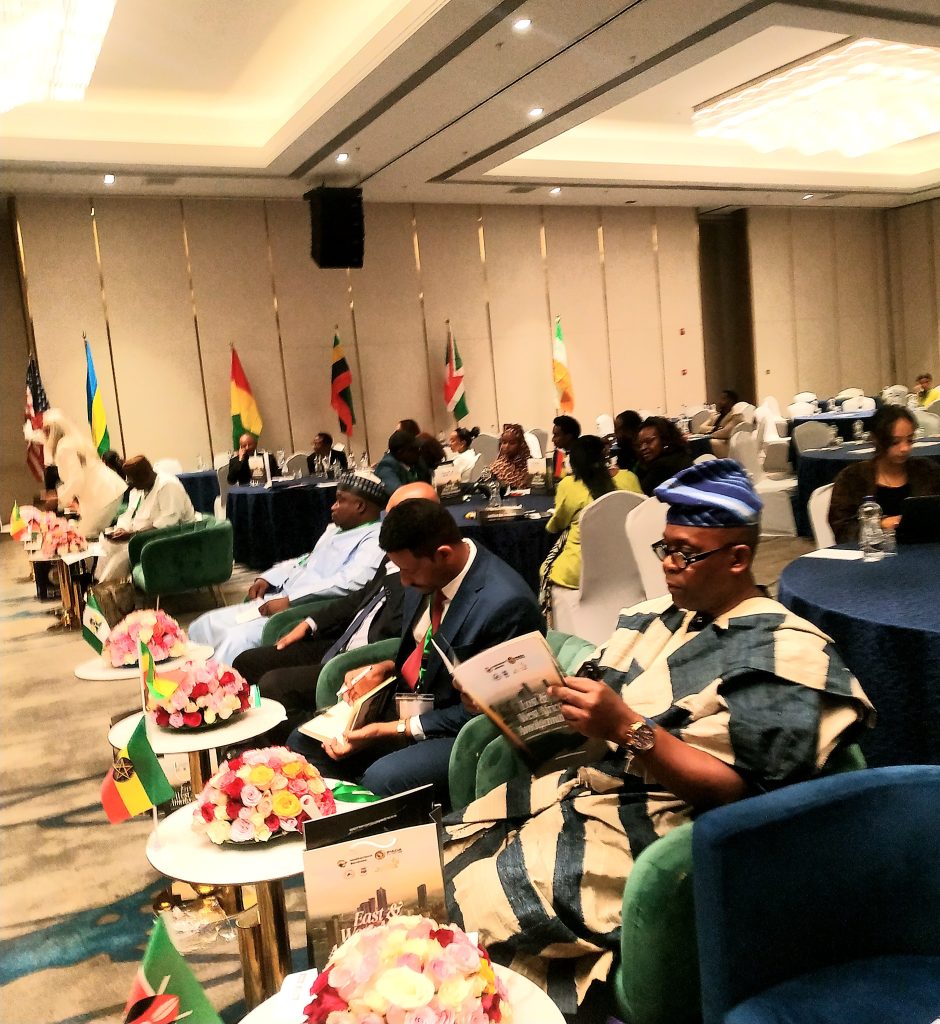
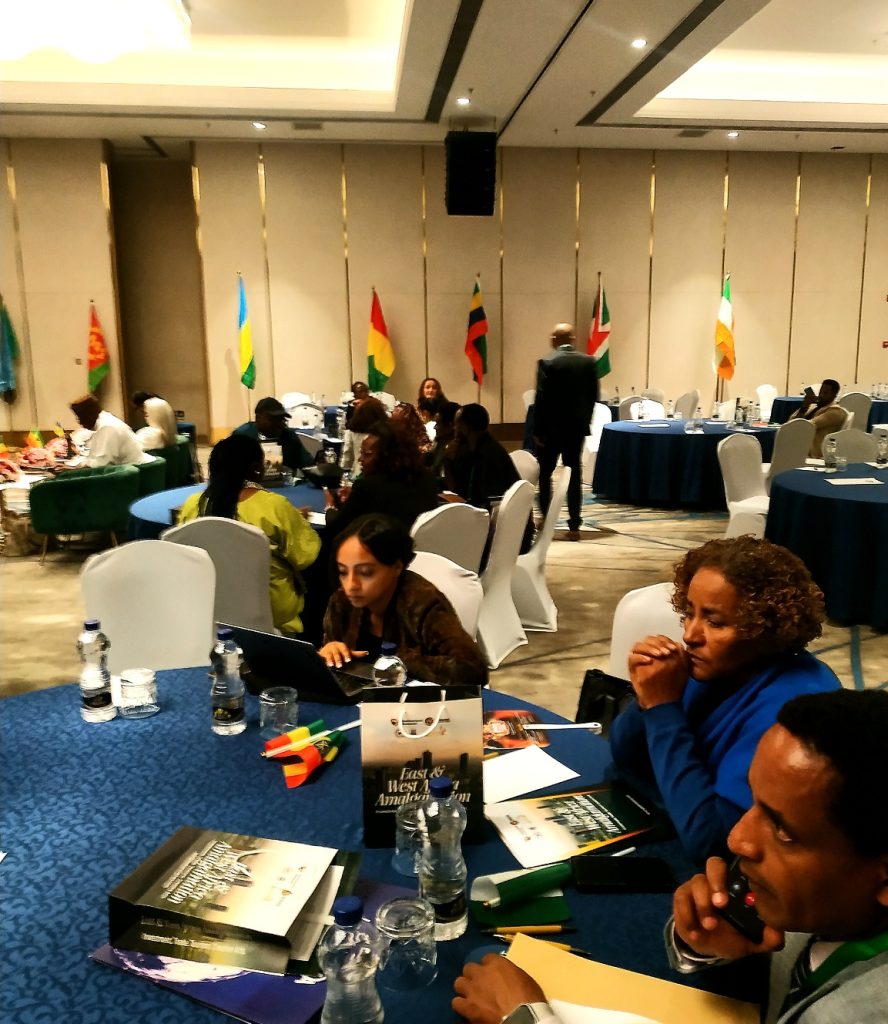
Recently, the government launched “Visit Ethiopia” with a new push, e-visa in 24 hours, open skies, conferences, MICE tourism. Addis Ababa today hosts more international conferences than almost any city in Africa. Skyline Hotel where the East-West Africa Amalgamation Conference took place, remain a beehive of events daily and a great hub in the city.
But one would ask, why this continuous thirst for tourism by Ethiopia?
The answer is readily served with a simple drive around Addis.
It is because, Ethiopia knows what many Africans are just learning: Tourism is not about white people coming to take pictures. Tourism is about telling your own story, so that others don’t tell it wrongly for you.
Check history for instance. For years, the world showed Ethiopia only as drought, famine and war.
Ethiopia said, “No. Come and see for yourself. Come and see coffee, because we discovered coffee. Come and see that your morning latte started here in our forests. Come and see that Christianity came here in the 4th century, before it went to Europe. Come and see that we have our own alphabet, our own calendar, we are in year 2019 while you are in year 2026.
All over Addis, the relics of a beautiful new year celebrations that recently took place is still everywhere to be seen by tourists. The yellow colour in the decorations stands out so beautifully.
That is the pride I earlier mentioned, that is speaking again.
Ethiopia is The Pride of Africa not just because she was never colonized. Ethiopia remains ‘The Pride’ because she never stopped inviting Africa to be proud with her.
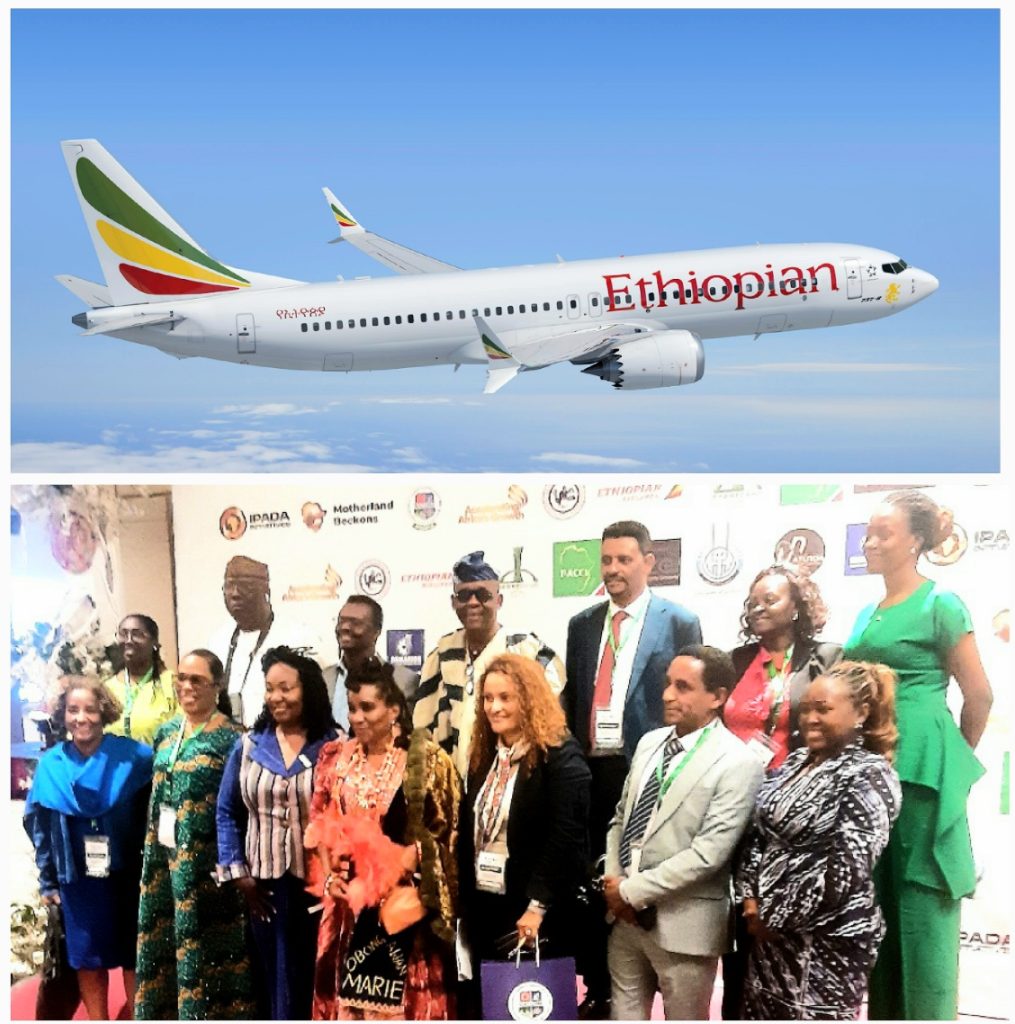
She says to Nigeria, to Ghana, to Kenya, to Uganda: “If I can preserve my history and turn it into an economy, you can too. Let’s do it together. Let’s build East-West Amalgamation. Let’s build African tourism, not just Ethiopian tourism.”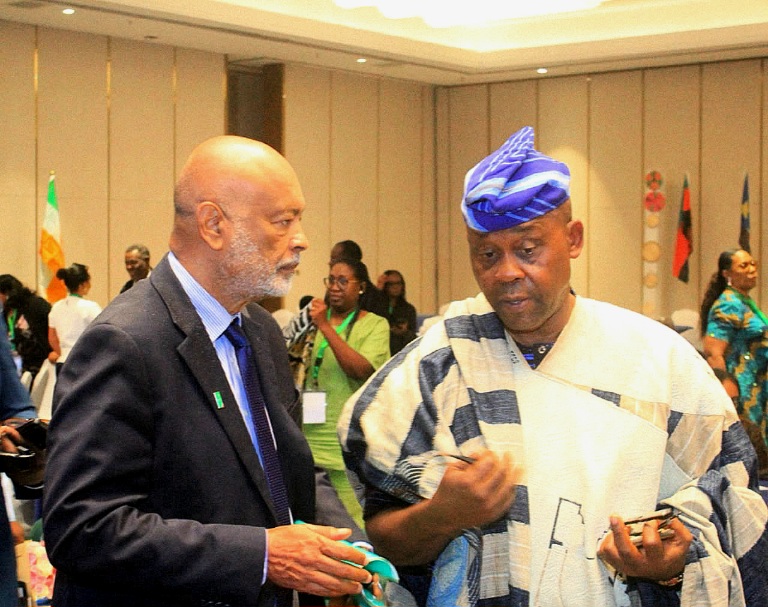
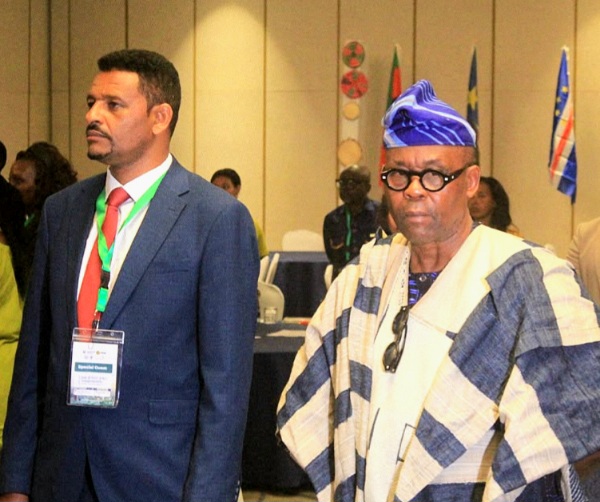
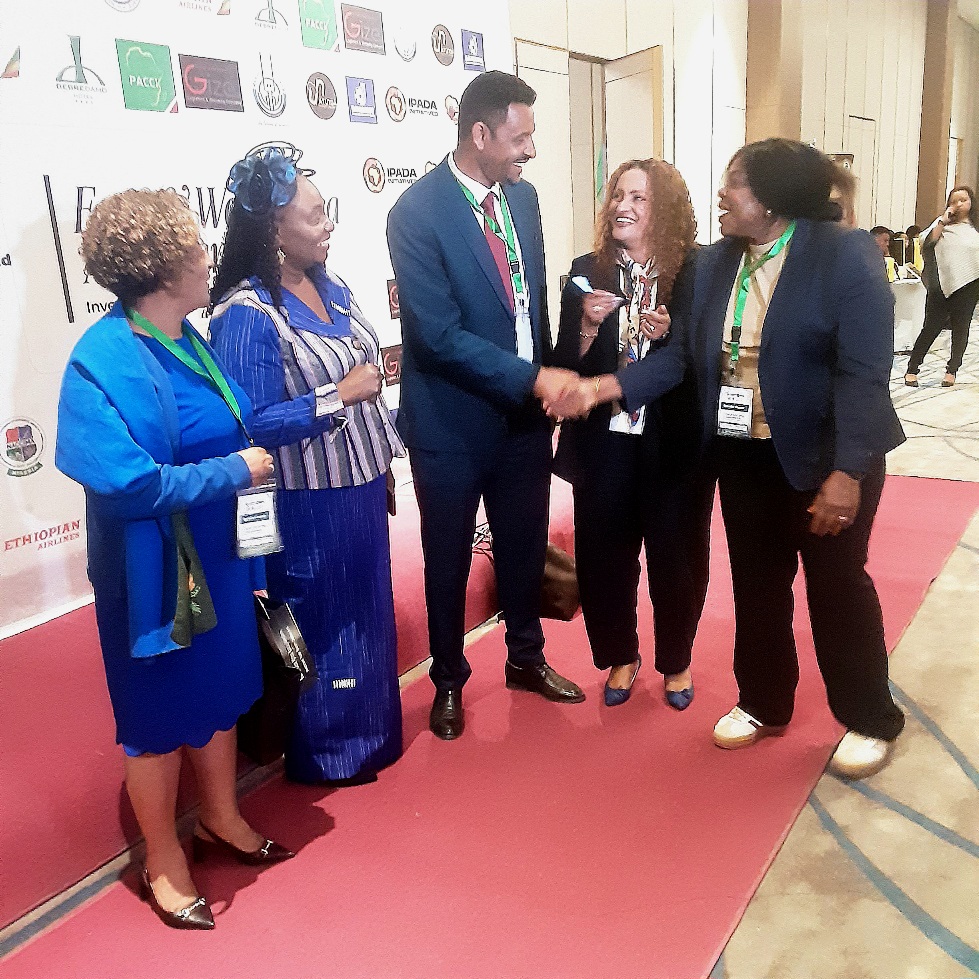
▪︎ Pix shows: Ato Kenour Ghenna, President, Pan African Chamber of Commerce and Industry (PACCI) with Otunba Dr. Chief Olawanle Akinboboye, Convener, East-West Africa Amalgamation (EWA)
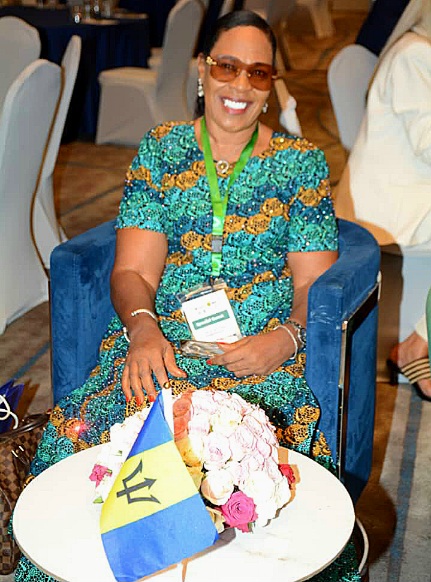
And so, courtesy of the Convener of the East-West Africa Amalgamation Initiative, Otunba Dr. Chief Olawanle Akinboboye, Founder of Motherland Beckons – IPADA Initiatives, La Campagne and several other Initiatives; Africans and Lovers of Africa from the Caribbean, Canada, USA and other places, gathered in Addis Ababa September 16th, 2026 to move African unity further, through cooperation in trade, commerce, investment funding and more!
▪︎ Photo below shows: (left) Chief Administrator of Wolaita zone, in Ethiopia, Mr. Samuel Tesema and Otunba Dr. Chief Olawanle Akinboboye, Founder, Motherland Beckons – IPADA Initiatives
!
 ▪︎
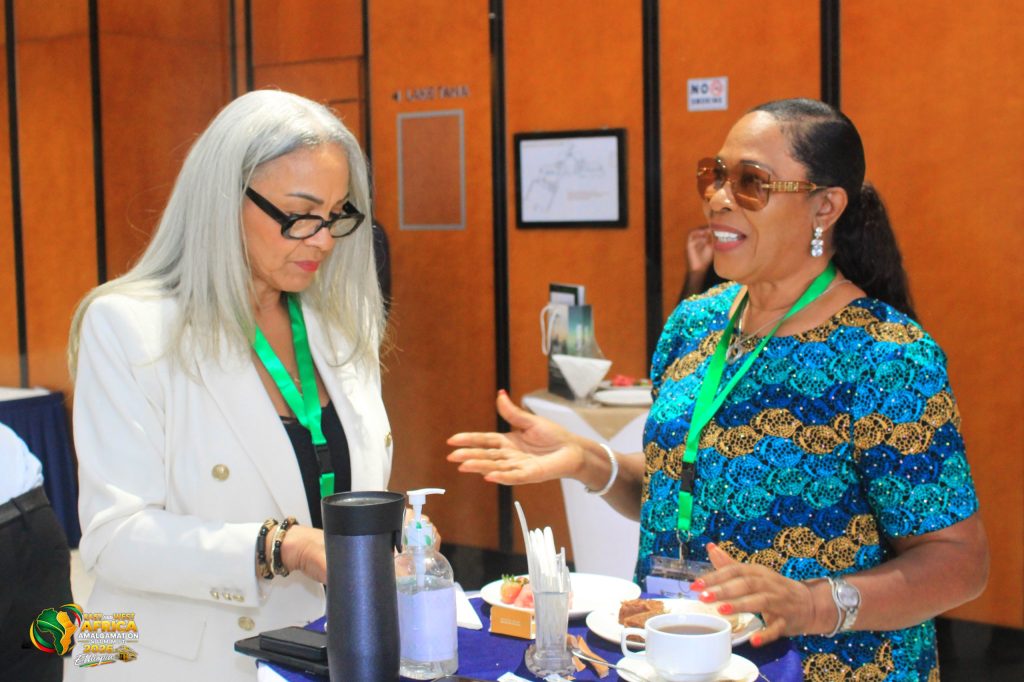
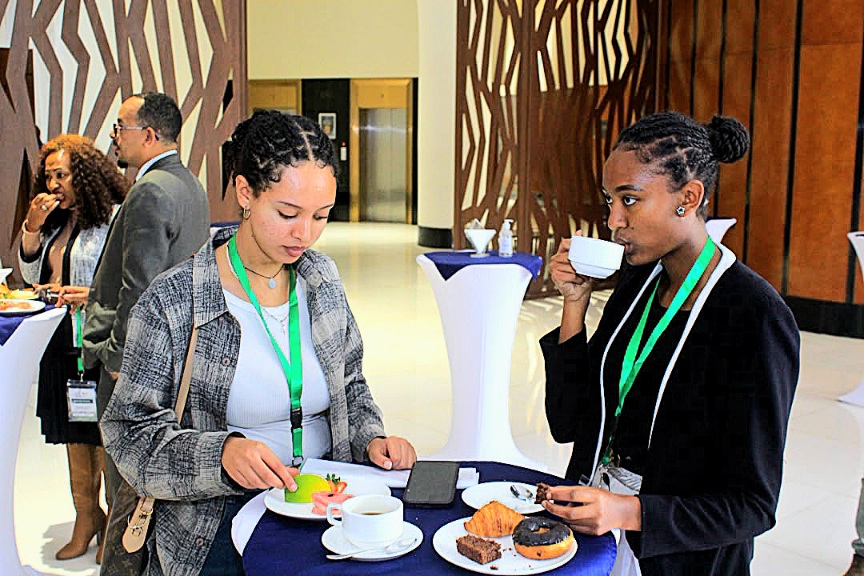
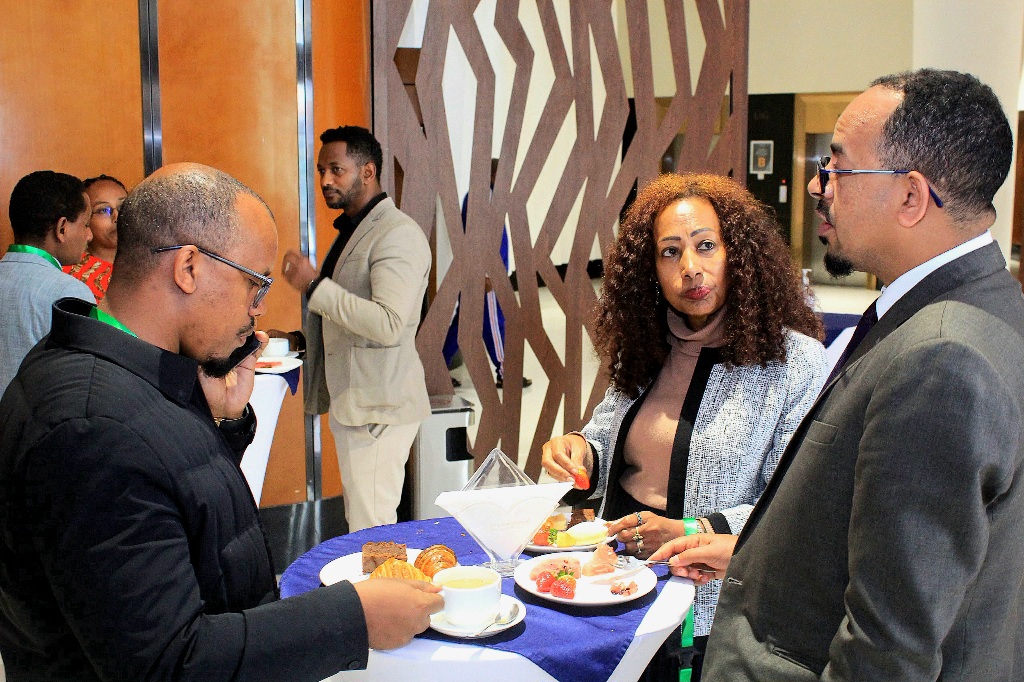 At tea / coffee break
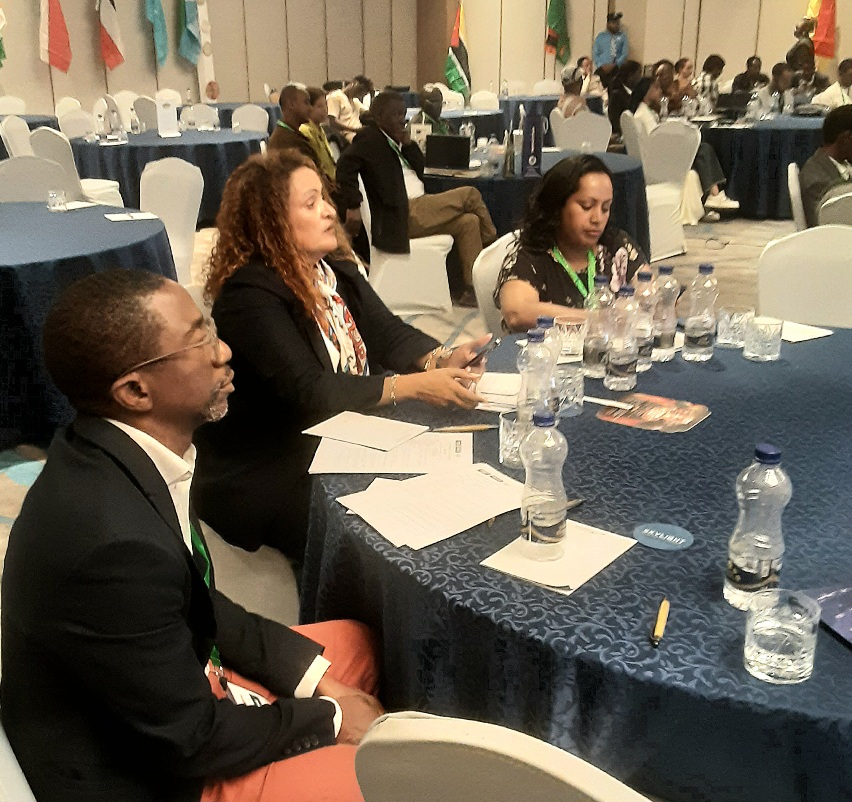
Right now, the success of that beautiful event is resounding all around the globe. A new Africa has been born. And in different continents of the world, an awakening spirit for Africa has resounded, which from the look of things, this collective energy will overflow in the next couple of weeks, as Motherland Beckons – IPADA Initiatives, Nigerian Association of Chambers of Commerce, Industry, Mines and Agriculture (NACCIMA), the National Black Chamber of Commerce and Industry, motivates Chambers of Commerce around the world to another beautiful gathering in Ethiopia.
Ethiopia, the Pride of Africa. In Addis, you feel a country that has seen everything: queens and emperors, wars and famines, love, tourism and progress, and still stands tall, still says:
“I am Ethiopia. The Pride of Africa. Come and see.”
And the world is finally coming.