
















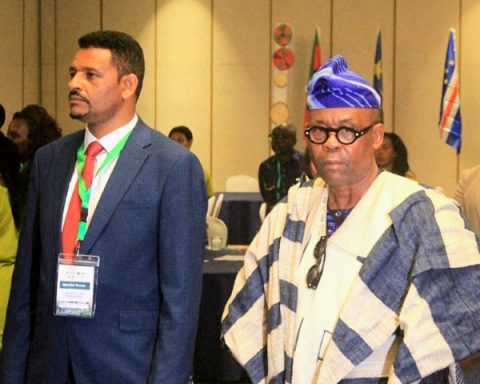

 The Africa Social Impact Summit (ASIS) 2026 has officially concluded, setting a revolutionary standard for how high-level discussions translate into measurable societal change. Shifting the focus from theoretical debate to “Transformation in Action,” this year’s summit has established a new global benchmark for policy impact across the continent.
Hosted by the Sterling One Foundation in collaboration with the United Nations Nigeria, ASIS 2026 convened world leaders, private sector giants, and civil society to move past traditional rhetoric. The summit resulted in the signing of multi-sectoral agreements aimed at accelerating the Sustainable Development Goals (SDGs) through transparent, data-driven frameworks.
Unlike previous years, ASIS 2026 introduced the “Impact Tracker,” a collaborative tool designed to monitor the progress of policy commitments made during the sessions.
This shift ensures that the strategies discussed—ranging from climate resilience to educational equity—are backed by dedicated funding and strict implementation timelines.
“ASIS 2026 represents a departure from the ‘talk shop’ culture,” stated a representative from the United Nations Nigeria. “We have set a benchmark where success is measured not by the number of attendees, but by the tangible improvements in the lives of the millions of Africans these policies are designed to serve.”
Integrated Financing Models: Launch of new blended finance initiatives to support African entrepreneurs in the green economy.
Policy Synchronization: Agreements between five regional blocs to harmonize trade and labor policies to boost intra-African investment.
Youth-Led Governance: A commitment to include youth representatives in formal policy oversight committees at the national level.
As the summit closes, the organizers have called on all stakeholders to maintain the momentum generated in Lagos, ensuring that the “Transformation” benchmark remains the standard for all future developmental gatherings.