


















By Ochuko Kokofe
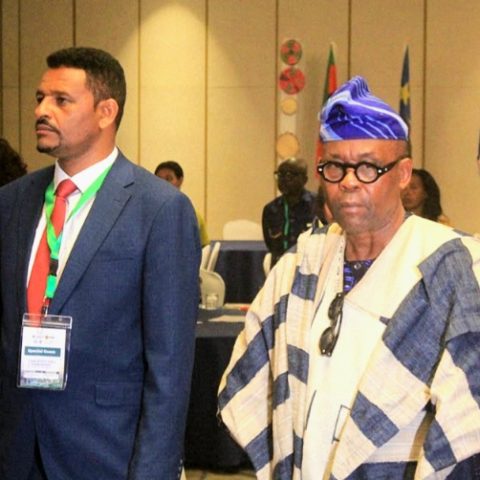
The 2026 convention of the Prospectors and Developers Association of Canada (PDAC) has officially wrapped up in Toronto, closing several days of intensive negotiations, investment meetings, and strategic policy discussions that are expected to shape global mineral exploration and development in the years ahead.
With thousands of delegates in attendance, including chief executives, government ministers, institutional investors, geoscientists, equipment manufacturers and sustainability experts, this year’s gathering reinforced its reputation as the world’s premier mining investment and exploration event.
A Defining Moment for Critical Minerals
As the exhibition halls closed and final bilateral meetings concluded, one message stood out clearly: the race for critical minerals is accelerating.
The global push toward clean energy, electric vehicles, artificial intelligence infrastructure and renewable power systems has intensified demand for gold, uranium, lithium, cobalt, copper and rare earth elements. Exploration budgets announced and investment commitments signaled during PDAC 2026 indicate that capital will increasingly flow toward jurisdictions offering regulatory certainty, geological transparency and stable operating environments.
Governments used the platform to showcase investment-ready assets. Junior miners pitched exploration prospects. Technology firms unveiled innovations in sustainable extraction and digital mine management. Behind closed doors, strategic partnerships and preliminary offtake agreements were negotiated, some of which are expected to mature into major financing deals in the coming months.
Ghana and Namibia Strengthen Their Global Position
Among African countries that maintained strong visibility throughout the convention were Ghana and Namibia.
Ghana highlighted ongoing reforms in its gold sector while promoting emerging lithium projects, reinforcing its status as one of West Africa’s most established mining destinations. Namibia drew sustained investor interest around its uranium reserves and expanding critical minerals portfolio, positioning itself as a strategic supplier in the global energy transition.
Their active participation, from ministerial engagements to investor presentations, reflected a broader continental push to secure stronger roles in evolving global mineral supply chains.
Nigeria’s Strategic Crossroads
For Nigeria, the conclusion of PDAC 2026 presents both opportunity and urgency. Nigeria possesses significant deposits of gold, lithium, iron ore, limestone, bitumen and barite. The federal government has repeatedly identified mining as a cornerstone of economic diversification beyond oil. However, conversations in Toronto made it clear that global competition for exploration capital is intensifying.
Investors are prioritizing destinations that demonstrate:
. Clear and predictable regulatory frameworks
. Reliable geological data
Infrastructure readiness
. Security stability
. Strong ESG and sustainability commitments.
As new exploration budgets are finalized following PDAC, countries that maintained strong visibility and delivered compelling investment cases are likely to capture immediate attention.
The Road Ahead
With PDAC 2026 now concluded, its impact will extend far beyond the convention floor. The discussions held this week will influence exploration spending, joint ventures and long-term project pipelines worldwide.
For Nigeria, the takeaway is unmistakable: sustained engagement on global mining platforms is no longer optional. Converting mineral potential into measurable economic gains will require consistent policy reforms, investor outreach, improved data transparency and strategic positioning within critical mineral value chains.
As the global minerals market evolves at unprecedented speed, resource-rich nations that act decisively will define the next era of mining development.
PDAC 2026 may have ended in Toronto, but the real work, translating dialogue into investment and development, is only just beginning.