










… How Eco-Heritage Tourism Turned a Riverine Settlement into a Living African Paradise
There was a forest once.
Not just trees, but a breathing world, mangroves with roots like ancient fingers gripping the Lagoon, palms swaying like patient elders, and a sky so wide it taught you how to dream again.
Tucked into that forest was a riverrine community. No more than a hundred souls. Mostly fishermen who knew the moods of the Atlantic ocean better than they knew calendars. Women mending nets, children chasing flicking light across the water, their laughter mixing with the cries of birds. Vocation belonged to everyone. Survival was shared.
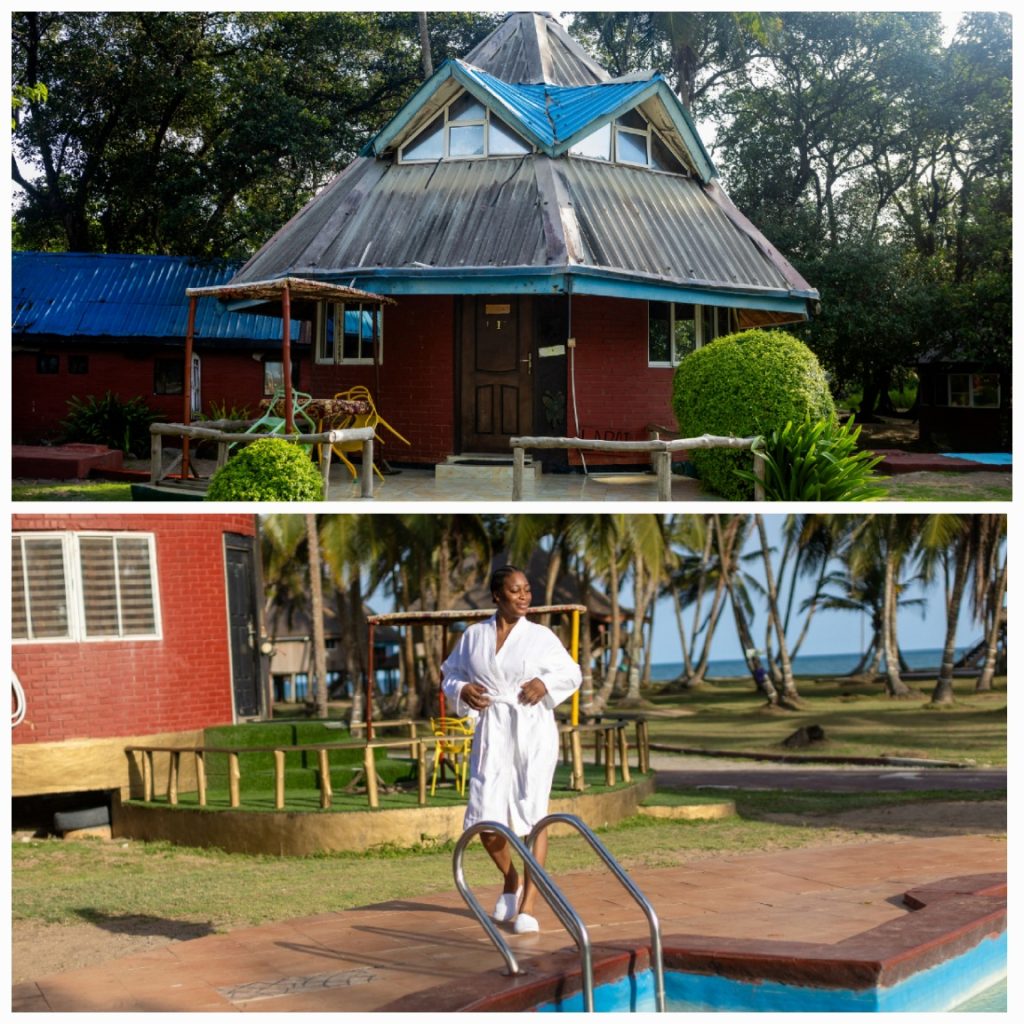
The homes were humble. One brick house stood among them, proud but lonely. The rest were thatched roofs over mud walls, shelters for sleep, for storing cooking pots, for waiting out the rain. There was zero luxury to showcase. No neon, no asphalt, no rush.
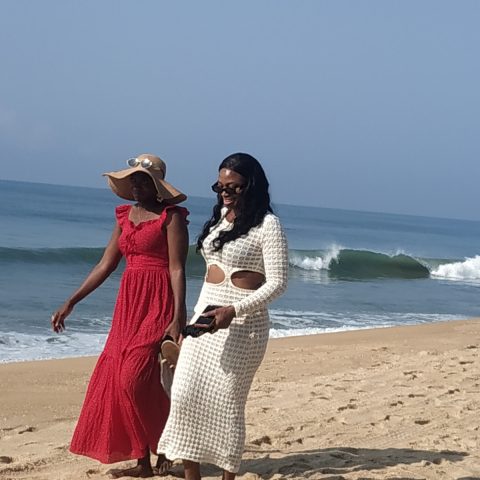
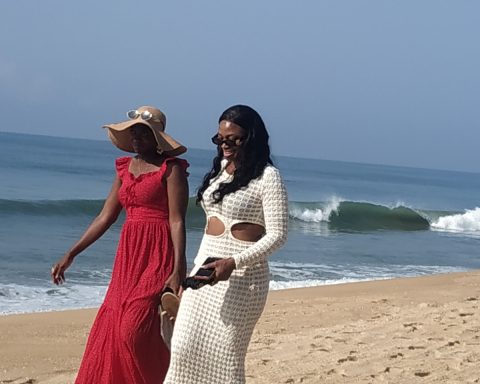
But nature overcompensated. The skies put on color at dusk that no city could buy. Sunsets melted into gold. The moon rose unhurried, spilling silver across the Lagoon. Monkeys leapt freely through the forest canopy, as if the trees were their streets. Fresh fish came straight from ocean to pot. The Lagoon itself ran like a quiet highway from the heart of Lagos to the sea, bringing life with every tide.
They lived on little agrarian patches, a bit of hunting, and whatever the environment offered in mercy. But they had themselves. They had rhythm. They had the African way, beatified, unhurried, rooted.
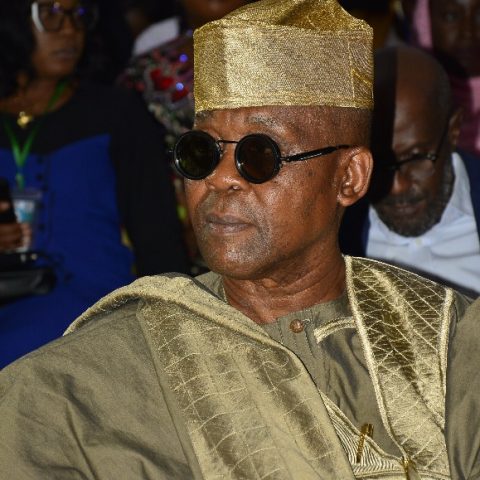
It was to this African paradise that Otunba Olawanle Akinboboye returned at age 24. Fresh from a sojourn in the United States of America, he carried a vision no one around him could see yet: a resort. “I had never had a resort before,” he said years later. “But that was the dream I had.”

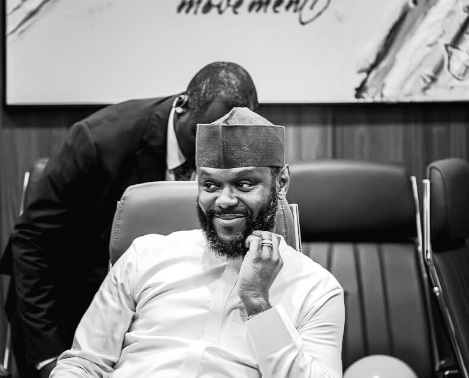
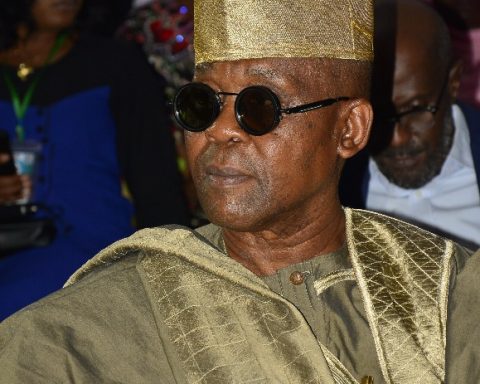
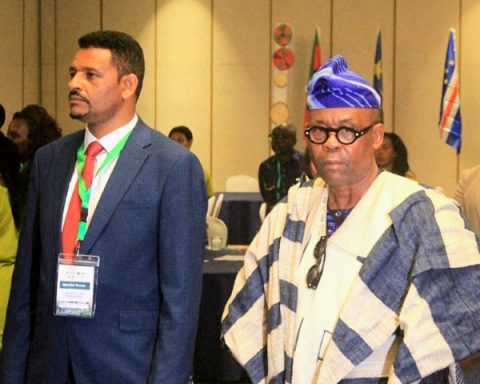
▪︎ Otunba Dr. Chief Olawanle Akinboboye, Founder, La Campagne Tropicana Brand
This was 41 years ago.
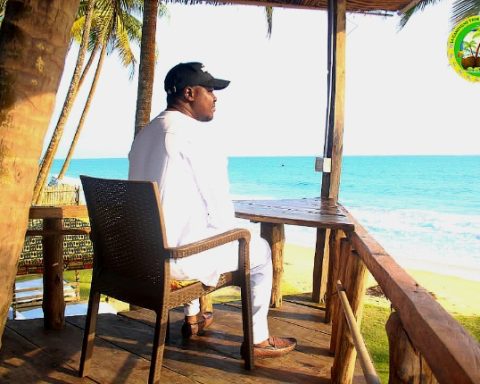
His pocket was light with under $10,000 at a time when the naira stood tall against the dollar. But his will was heavier than any bank balance. He walked into the mangrove forest, the monkeys watching curiously from branches, the birds announcing his arrival. He pitched a tent on the edge of the Lagoon and called it home.
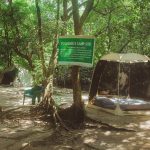
That exact spot still exists today. It’s called ‘Founder’s Camp’, preserved like a sacred page in a storybook. Tourists walk there now and see the humble beginning: how a tent among mangroves became the seed of one of Africa’s most celebrated eco-heritage resorts.
The village grew with his dream!
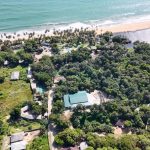
The community Otunba Olawanle Akinboboye met with a hundred inhabitants now holds over 4,000 buildings. Not mud and thatch, but blocks and cement, roofs that don’t leak, homes that hold generations.
Ikegun, the immediate surroundings of the resort, still wears “rural” like a badge, deliberately, beautifully. While Ibeju-Lekki races toward cosmopolitan status with a Free Trade Zone, an international airport on the way, a deep sea port, a refinery, estates and industries rising from the earth… Ikegun holds the peace. It remains a true African village, so the resort never loses its soul.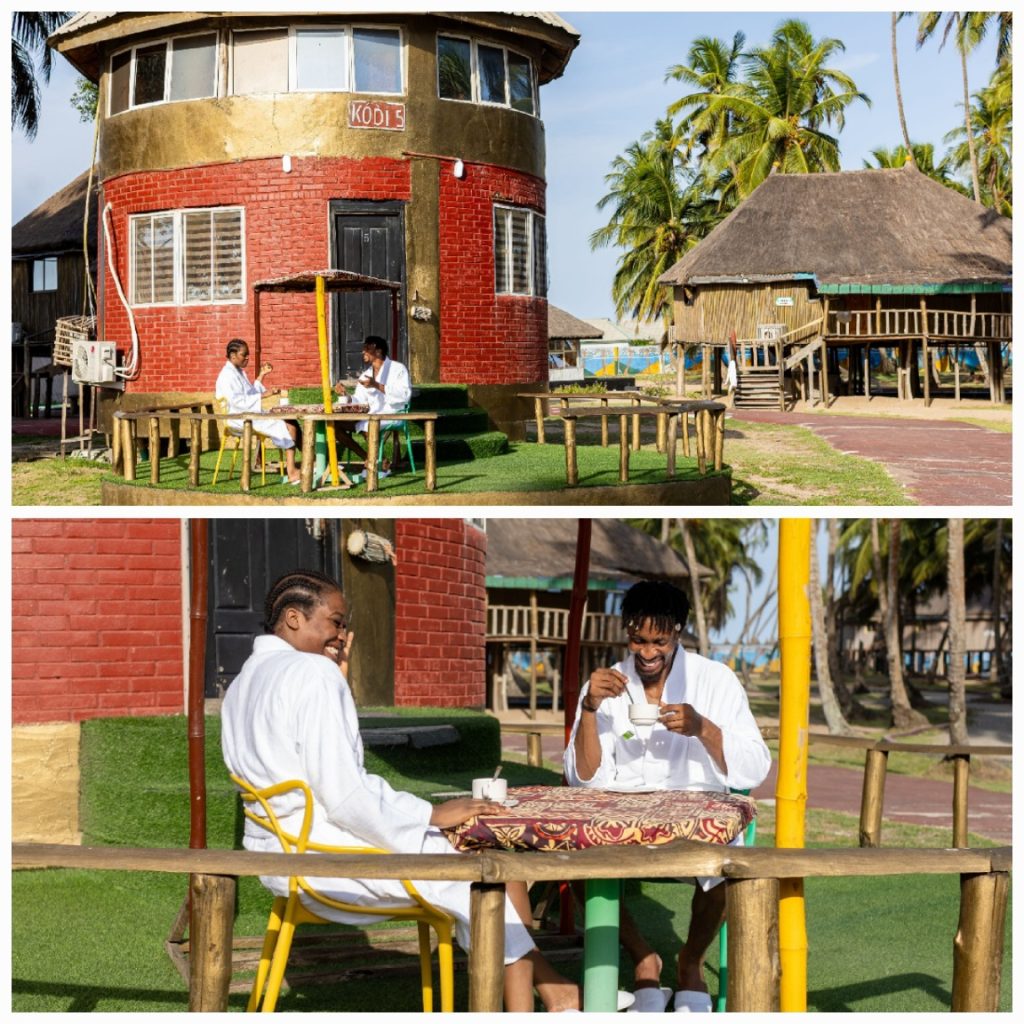
Tourists, Africans in the diaspora, lovers of the continent, all find here a replica of what Africa should be in the modern world: preserved, yet cosmopolitan. Luxury that doesn’t erase the village, but roots itself inside it.
When a Resort becomes community, it impacts the people.
For years, La Campagne Tropicana Forest River and Beach Resort has not just been a destination. It has been an economy, a classroom, a stage, a lifeline, providing jobs and dignity to the people.
From boatmen who knows the waters, to fishermen supplying the kitchens, to carpenters who built the chalets, cooks who season with memory, security, gardeners, cultural performers in hand-sewn costumes… locals are employed directly. When corporate groups of 1000 or more arrive, the village multiplies its hands overnight. Catering, setup, games, bonfires and cash flows into homes, and stays there all year round.
Fish are bought straight from boats. Palm wine is tapped fresh. Yam, plantain, coconut, pepper, all from nearby farms. Artisans find value: woven mats, calabashes, beads, carvings. “African authenticity” isn’t décor here. It’s income. Rural crafts become treasures, not relics.
Most staff at the resort are from Ibeju-Lekki LGA. They’re trained in hospitality, food safety, event management, customer service, lifeguard and boat operations. A cleaner today can become a supervisor tomorrow. The skill travels with them. Youth get mentorship and exposure that Lagos city life often hides behind traffic.
The resort’s constant upgrades taught the village a quiet lesson: things last when you care for them. That mindset spread. Roads were graded for access. Transporters found daily business bringing guests in. Fuel, food, transport — the money spread wide. Even festive seasons brought CSR: school support, community support during festive seasons.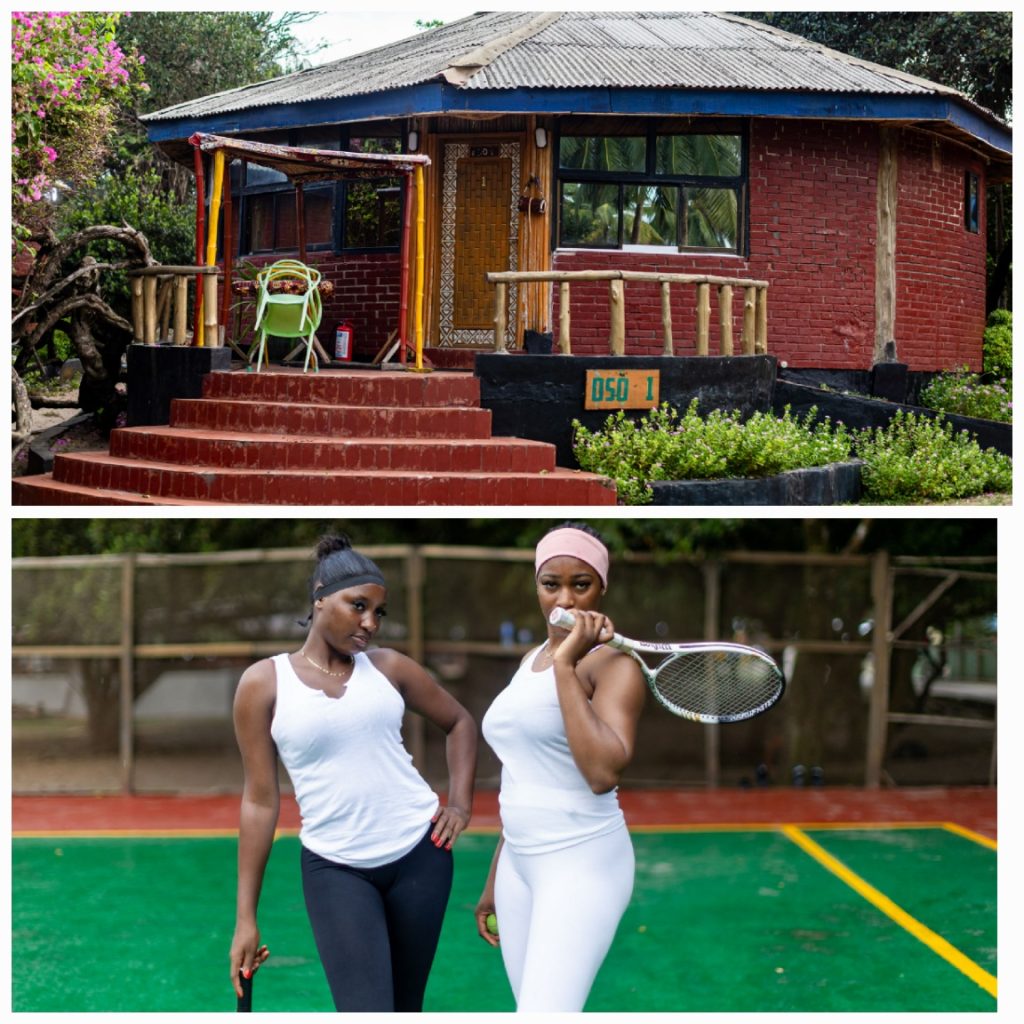
The surrounding communities enjoy Cultural Pride as they see their community on Global Stage, with visitors coming to experience their heritage.
Atunda Entertainment, the in-house troupe, turns local music and dance into good performances attracting young people to see their heritage on stage, not pushed aside. Drums, stories, gyrating songs, what the world calls “experience,” the village calls “home.” That pride is priceless.
There’s also the tourism multiplier effect. Guests don’t stay in one place. They wander. They visit neighboring villages. They buy craft. They buy local.
La Campagne’s model is simple and rare: ‘luxury that roots itself in the village instead of replacing it’. It’s development without displacement. Eco-heritage without destruction.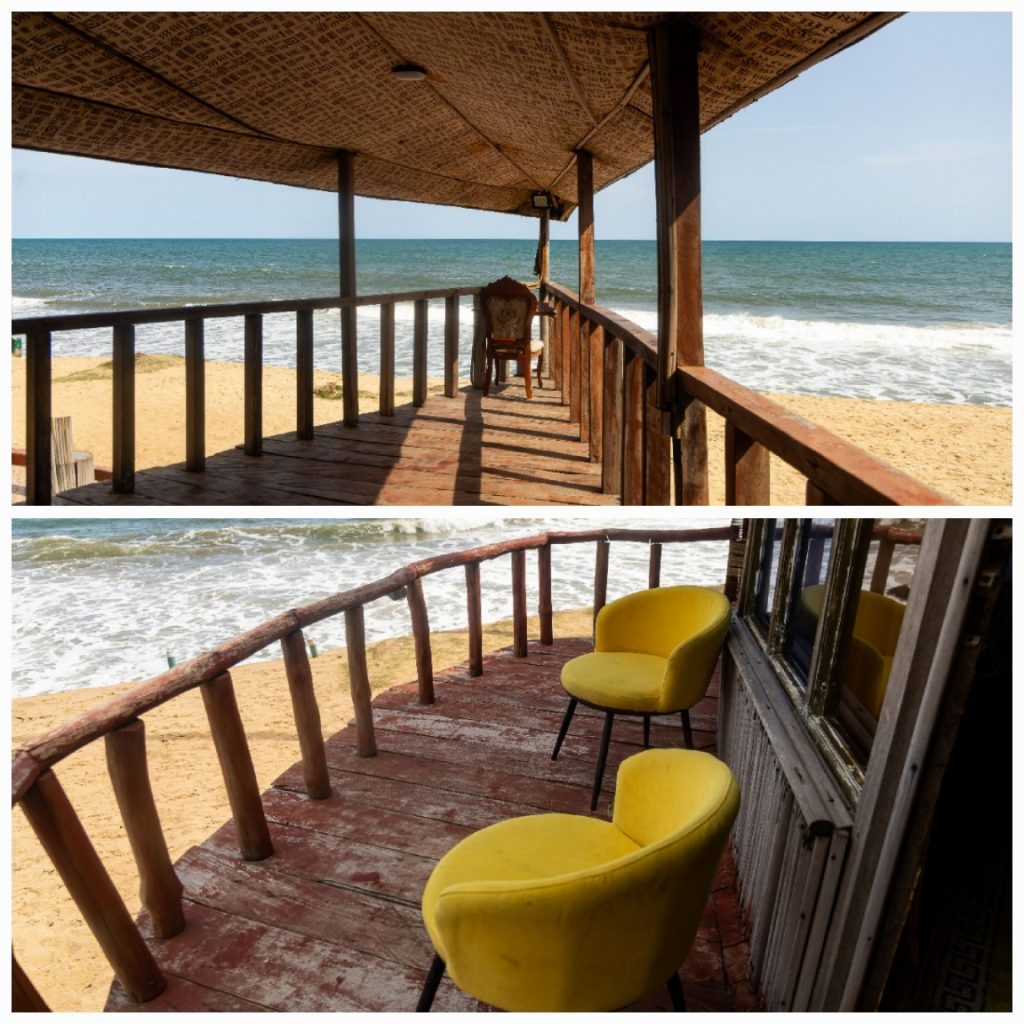
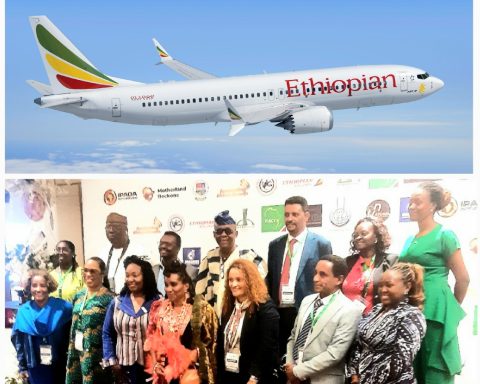
That philosophy has traveled. The brand now lives in Ondo, Kogi, and Taraba States. It has crossed borders to Ghana, Côte d’Ivoire, new land in Ethiopia, and even the Caribbean. Each place, the same story: find the forest, honor the people, build with the land, not over it.
Today, when you step into La Campagne Tropicana, you’re not just checking into a resort. You’re stepping into 41 years of a dream kept alive. A tent that became a movement. A village that became a classroom for the world on how to develop ‘with’ culture, not against it.
The Atlantic still keeps the beat at night. The drums still speak. And the community that once had “nothing to showcase” now showcases what the world is searching for: peace, roots, and an African welcome that feels like coming home.
▪︎ Paul Ukpabio is Nigeria’s Tourism Writer Of The Year Award Winner 2023; Nigeria’s Society Writer Of The Year Award Winner 2013; Nigeria’s Best Event Marketing Blogger Award Winner Year 2025