


















By Paul Ukpabio
Abuja’s hospitality is warm. The city invites you in, with an embrace.
From the moment you land, the city tells you it was planned. Wide roads that don’t fight you. Hills that stand like quiet guards. Green everywhere, not the accidental kind of green you find elsewhere, but the deliberate kind. Parks, trees lining boulevards, gardens tucked between government buildings.
This is Nigeria’s capital city, but it feels like home even upon your new arrival. The city gives you an opportunity to slow down and look.
Mornings in Abuja start easy. The sun is warm, not angry. And there are many places to be, many attractions.
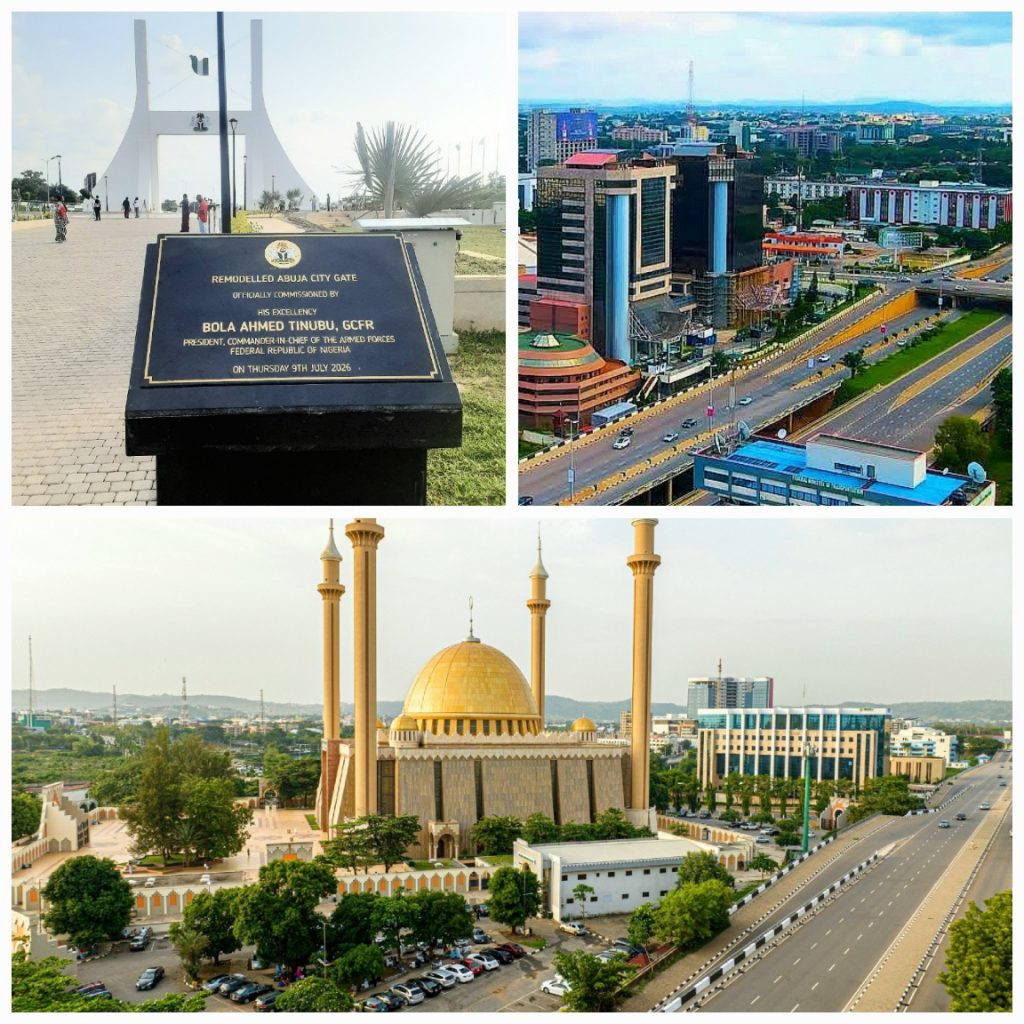
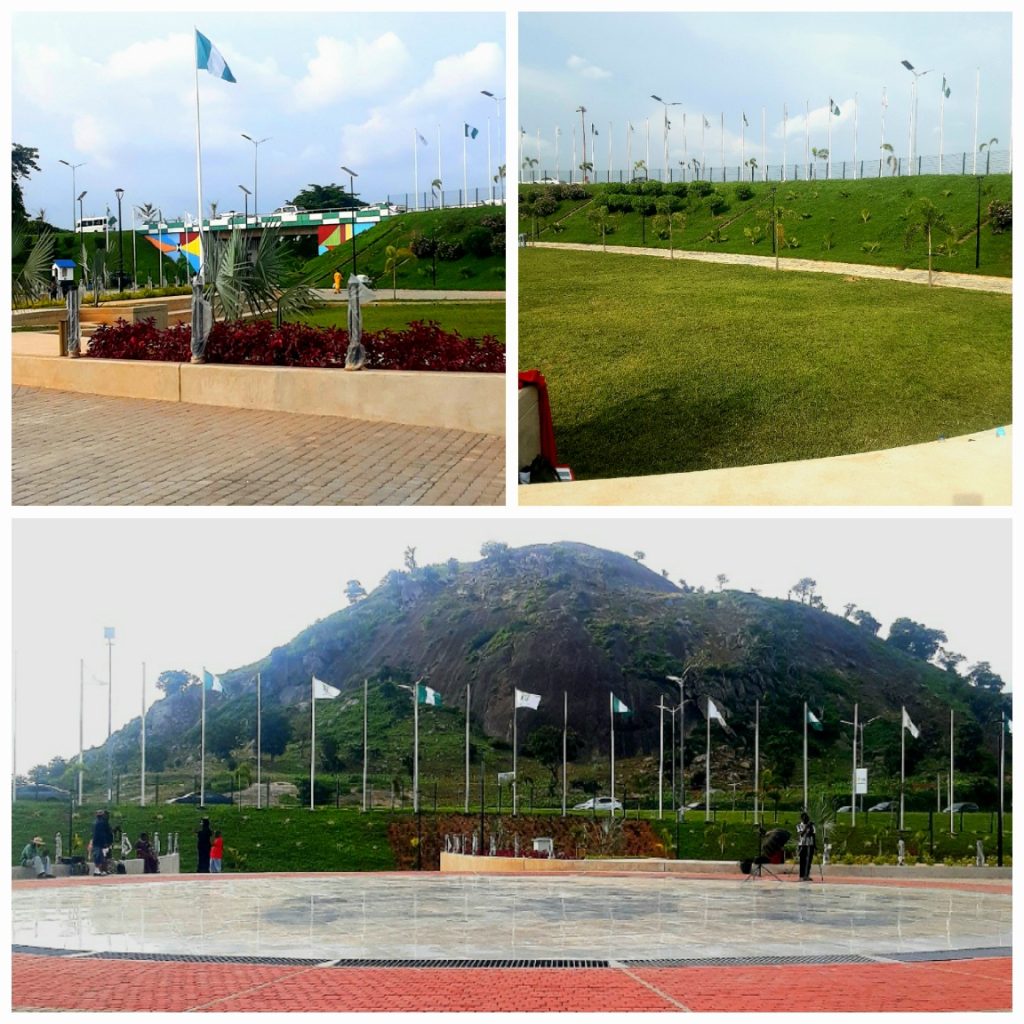
The City Gate has just been renovated and commissioned on the 9th of July 2026, by His Excellency, President Bola Tinubu. “Remodeled with scenic gardens and a 37-nozzle water fountain.”
Now, that’s a place for a choice weekday or weekend family picnic or lovers day out. Spacious and flowery. It’s completely free entry to visitors. It offers an opportunity to watch the city receive visitors coming in through the airport and those leaving the city.
The Millennium Park is another spot that easily identifies Abuja as the city to be. If you want your first dose of Abuja calm, go here. It’s the biggest public park in West Africa. Joggers in the morning, families with picnic mats by noon, students reading under trees in the afternoon. You can rent a bike, feed the birds, or just sit by the fountain and watch the city move without rushing.
Stop by at Jabi Lake by midday. The lake glitters under the sun. Fantasize with a boat ride, or just walk the promenade with ice cream in hand. There’s Jabi Lake Mall right there too for shopping, movies, or suya and shawarma with a lake view. On weekends you’ll find paddle boats, photographers, and that Abuja vibe of people actually relaxing.
There’s Aso Rock and National Mosque and the National Christian Centre. Oh, you shouldn’t come into Abuja and not see these city icons. Drive past Aso Rock in the morning light, it’s massive, silent, and photogenic. Then stop by the National Mosque with its white domes, or the National Christian Centre with its bold architecture. They sit across from each other and say a lot about the city without saying a word.
Oh, there’s Arts and Culture Spots but for something more Nigerian, visit Nike Art Gallery or the National Museum. Or hit the Wuse Market and Utako Market if you want fabric, crafts, and that proper market energy. Abuja can be polished, but it still knows how to bargain.
Though the Sun may go down but Abuja as a city, does not sleep. It just changes outfits (laugh).
The sophisticated dinner and lounge scene is at Wuse 2 and Maitama. This is where the city puts on lip gloss and some sort of glamour. Restaurants like Jevenik, The Dome, and Cafe Uno are perfect for dinner dates. Good food, low music, and people who actually dress up on a mid week.
After 9pm, the lounges are sure to be open. The Wheatbaker Rooftop, Hustle & Bustle, Sky Lounge at Sheraton. Cocktails, afrobeats, and conversations that last till midnight.
Care for Street food? Garki Area 10 comes readily to mind! With music opportunity to dance into the night. You can easily move from there into the neon lights of Area 11 (pronounced area eleven). Here hotels circle you and everything is available (wink).
Want something less polished? Garki at night is alive. Suya spots with smoke in the air. Small bars with DJs playing old-school Naija music and new amapiano. You’ll sit on plastic chairs, drink cold beer, and talk to strangers who feel like cousins in 10 minutes (laugh).
Choose Jabi for late night Clubbing. If you’re going out-out late night, this is it. Club 57, Pablo’s, Crazy World, here the night just begins around 11pm. Dress code is real here. Ladies in heels, guys in crisp shirts. The music is loud, the lights are low, and Abuja people know how to dance without spilling their drinks.
On Fridays and Saturdays, you’ll also find live bands in hotels like Transcorp Hilton and Nicon Luxury Hotel. Highlife one minute, Afro-fusion the next.
Yes, Abuja feels different.
Lagos gives you adrenaline. Port Harcourt gives you vibes. Abuja gives you space.
Space to drive without rage. Space to walk and not dodge. Space to have a conversation without shouting over generators.
By day, it’s meetings, museums, lakes, parks and gardens as they are called here in Abuja. By night, it’s rooftops, suya, and clubs that don’t close until you’re ready to go home.
It’s a city built for government, but lived in by young people who decided to make it beautiful for themselves too.
Planning a visit to Abuja? Come with these outfits: Your posh suit, babaringa or agbada for the day, sleek shirt, fancy short or trouser with sneakers for the evening or just something nice for the night.
Remember, meetings or conferencing for the day, but keep an open schedule for the evening and night. Abuja rewards people who aren’t in a hurry (wink).
And come with friends. Because the best part of Abuja isn’t a place. It’s sitting at Jabi Lake at 6pm, or in a lounge at 1am, enjoying the good life, looking around and thinking: this is Nigeria too.
Abuja. The beautiful city.
Calm in the sun. Alive after dark.
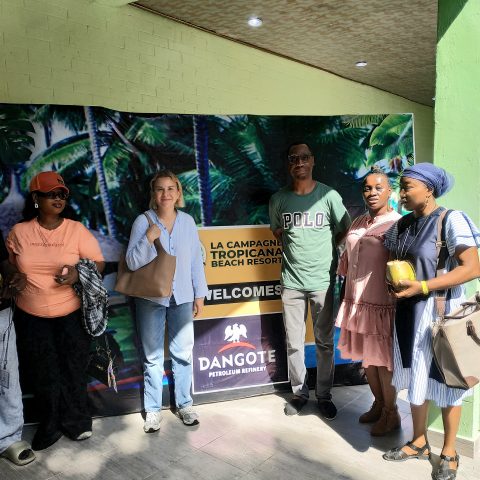
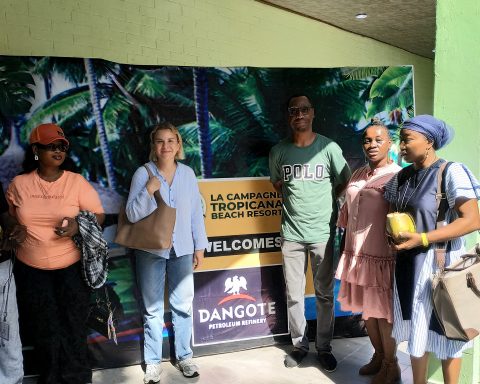
● This story was inspired by a 5 Days All Expense Trip to Abuja, sponsored by: La Campagne Tropicana Forest River and Beach Resort, Lagos