
















The Federal Government of Nigeria, under the administration of President Bola Tinubu, has commenced the full implementation of the four new Tax Reform Acts as of January 1, 2026, a move the Presidency describes as a “once-in-a-generation opportunity to build a fair, competitive, and robust fiscal foundation” for the nation. The implementation proceeds despite significant public anxiety and opposition, including concerns over alleged alterations to the legislation’s gazetted versions and a pending court case.
The comprehensive overhaul, which consolidates over 110 separate taxes and levies into a simplified framework, aims to widen the tax base, protect low-income earners, and boost economic growth. The new laws include the Nigeria Tax Act (NTA), the Nigeria Tax Administration Act (NTAA), the Nigeria Revenue Service (Establishment) Act (NRSA), and the Joint Revenue Board (Establishment) Act (JRBA).
Individuals earning ₦800,000 or less annually are exempt from personal income tax.
Essential goods and services are zero-rated for VAT purposes. The reforms also transition the Federal Inland Revenue Service (FIRS) to the Nigeria Revenue Service (NRS), which is responsible for collecting tax and non-tax revenues digitally.
A Tax Identification Number (TIN) is now mandatory for various financial activities, with the National Identification Number (NIN) serving as the TIN for individuals.
For further details on these reforms, stakeholders are encouraged to consult resources such as the Remote Solutions Africa website.
Opposition and Government Response
Implementation has faced criticism from various groups.
Concerns include alleged discrepancies between the gazetted laws and those approved by the National Assembly.
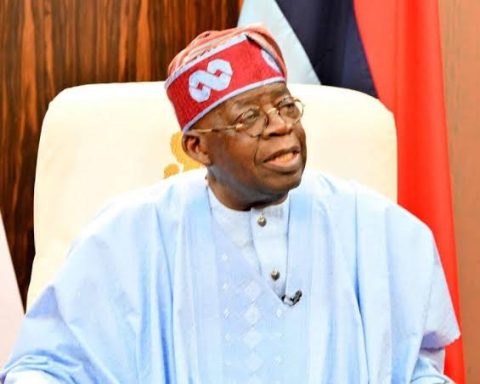
President Tinubu has indicated the laws are for “structural reset” and not increased taxation, promising to work with the National Assembly on any issues.
The government seeks stakeholder support for the implementation.