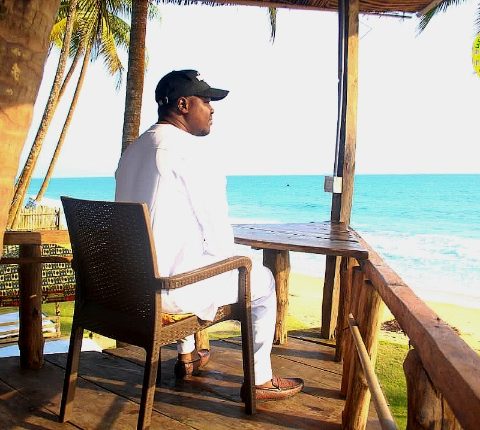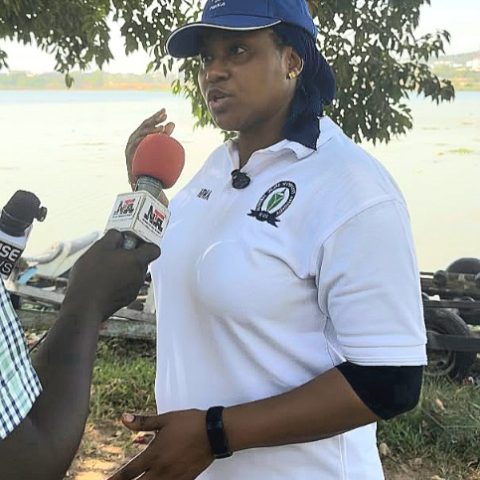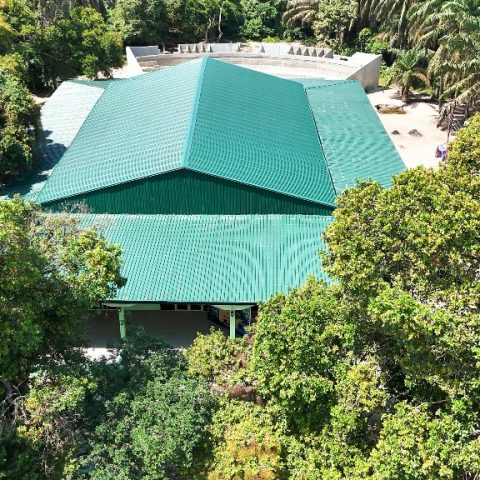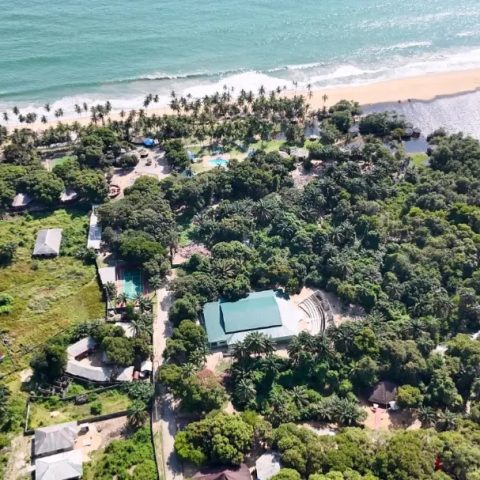

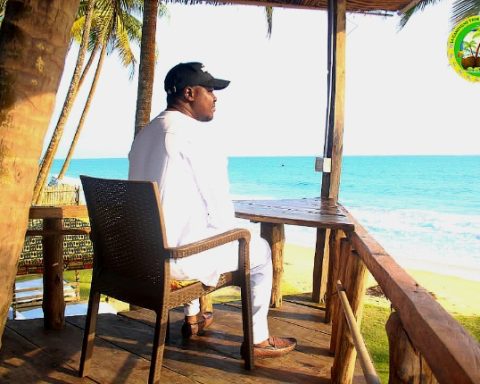
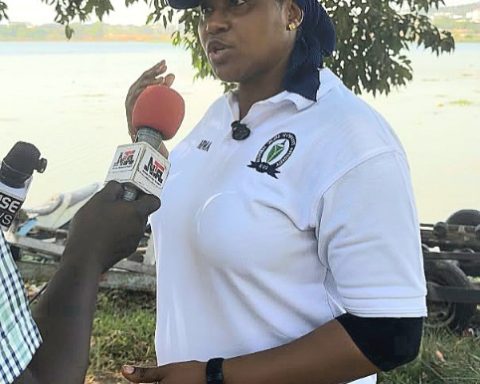
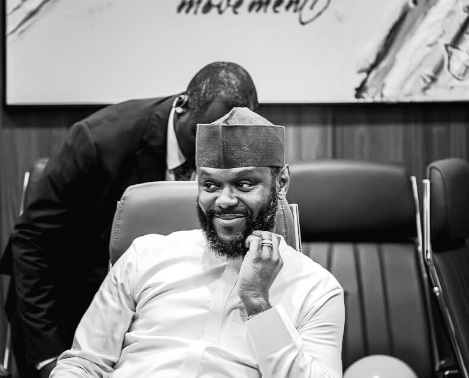


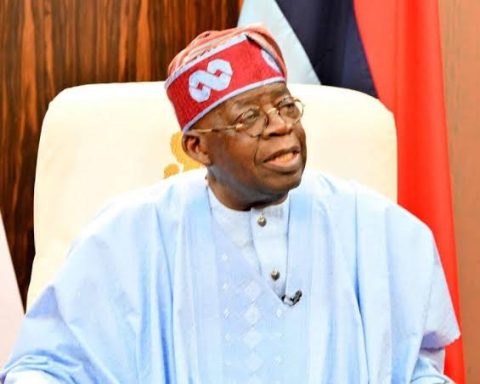
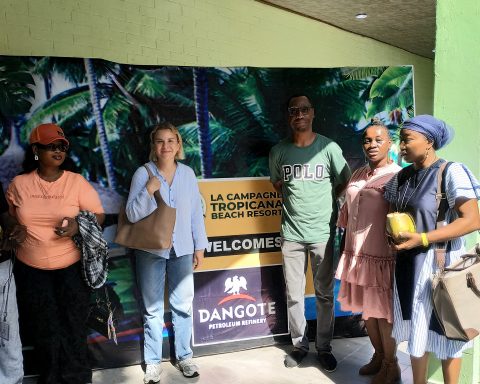
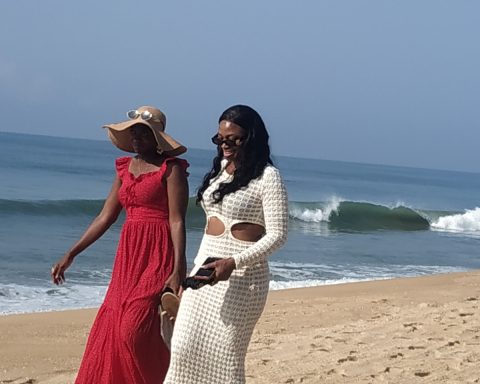
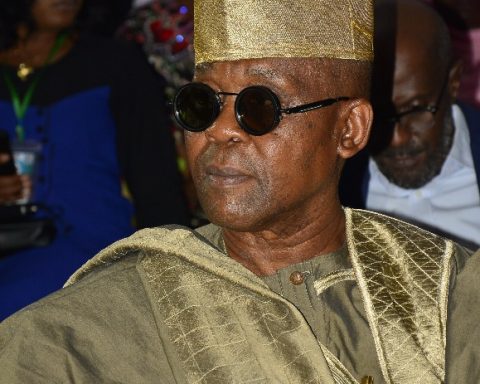





▪︎ Pix 1: The author, Senator Babafemi Ojudu; Pix 2, The Builder, Tourism Icon, Otunba Dr. Chief Olawanle Akinboboye, Founder, La Campagne Tropicana Forest River and Beach Resort and La Campagne Tropicana Brand, Global
Forty-two years ago, a young, daring and remarkably imaginative Otunba Wanle Akinboboye set out for the quiet Atlantic coastline of Ibeju-Lekki. In those days, the area was little more than an endless stretch of mangrove swamps, dense vegetation, fishing settlements and deserted beaches beyond Epe. There were no expressways, no luxury estates, no refinery, no deep seaport, no free trade zone—only silence, sand, mosquitoes and the Atlantic Ocean.
Where most people saw a forbidding wilderness, Akinboboye saw limitless possibility.
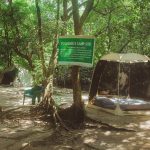
Armed with little more than a camping tent, a few provisions, a notebook and a pen, he journeyed to a lonely spot beyond Akodo and pitched camp. For days he lived alone in the mangrove, surrounded by the sound of crashing waves, rustling palms and swarms of mosquitoes. There was no electricity, no modern road, no evidence that this forgotten corner of Lagos would one day become one of Africa’s most valuable economic corridors.
It was there, in that profound solitude, that he began sketching what would become La Campagne Tropicana Beach Resort.
His dream was unlike anything Nigeria had seen. He did not want another hotel. He envisioned an African sanctuary where architecture reflected indigenous traditions, where luxury coexisted with nature, where culture was celebrated rather than disguised, and where visitors could experience Africa on its own terms instead of through borrowed ideas of hospitality.
The choice of location was itself extraordinary.
Barely two decades earlier, during the political crisis of 1962, Chief Obafemi Awolowo had been held under restriction in nearby Lekki before his eventual imprisonment. In My March Through Prison, and in accounts of that difficult period, the area emerged as a lonely, mosquito-infested coastal outpost that was difficult to reach and harsh to inhabit. Food and supplies often had to be brought in by boat from Epe. It was, by every description, the last place anyone would have imagined as the future home of one of Africa’s premier tourism destinations.
Yet that was precisely what Akinboboye saw.
He looked beyond the mosquitoes, beyond the mangroves, beyond the isolation, and imagined beauty where others saw only discomfort. He invested not merely in land, but in a future invisible to everyone else.
Today, that once-forgotten coastline has become the very symbol of Nigeria’s economic transformation.
Only a short distance from La Campagne Tropicana stands the Dangote Refinery, the largest single-train refinery in the world. Nearby are the Lekki Deep Sea Port, the thriving Lagos Free Trade Zone, and an expanding network of modern highways, including the Lagos-Calabar Coastal Highway, sections of which overlook the resort. Plans for an international airport are equally advancing, completing an infrastructure ecosystem that few could have conceived four decades ago.
None of these monumental developments existed—or were even within the imagination of most Nigerians—when Akinboboye first arrived with his tent.
History has vindicated his vision”.