


















…the slave trade story. Says: Africans Did Not Sell Her Children As Slaves!
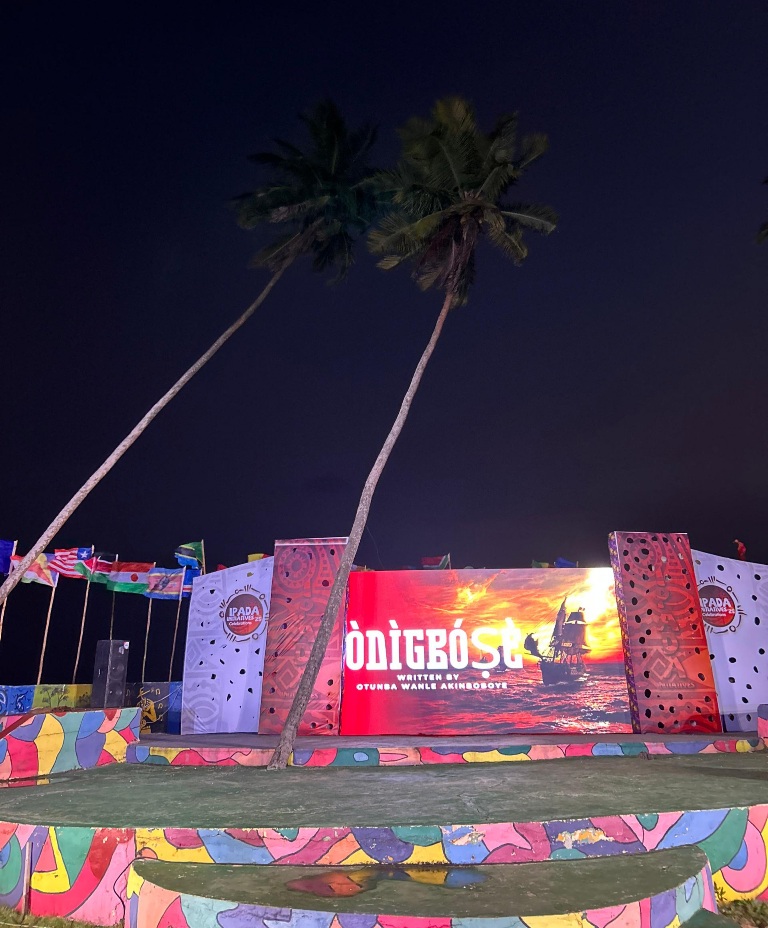
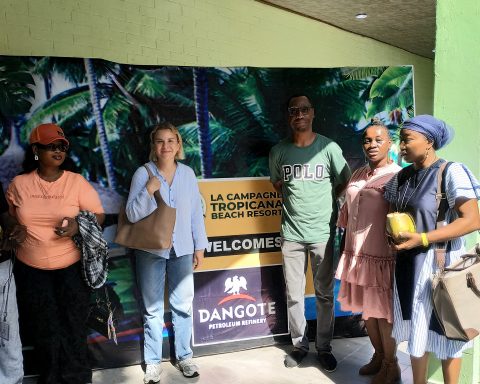
If you thought you have read all there is about the slave trade that deprived Africa of her human resources and developmental energy and lasted for years on end, then you are gravely mistaken because just yesterday at the 10 Day long programme of IPADA INITIATIVES CELEBRATIONS 2025, at La Campagne Tropicana Forest River And Beach Resort, Ibeju-Lekki, Lagos, Tourism Icon, Otunba Olawanle Akinboboye re-wrote history by declaring that, Africa never, never sold her children to slavery.
In buttressing his point, Otunba Olawanle Akinboboye went further to state that against popular believe, Africans who were carted away from Africa, were prisoners of war, who were exchange after victories at war.
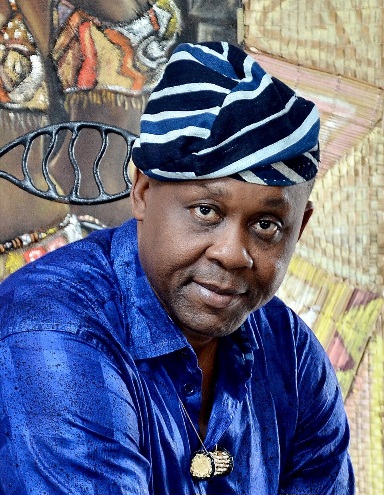
He went further to explain:
“The slave trade story narratives we have, the various versions we have listened to and have been taught, are not our narratives. They were stories by the Portuguese, the Danes, the English and other foreigners. Those narratives never had the interest of Africans in mind, and they were not the complete stories or narratives. To start with, Africa did not sell her children. Those who were taken abroad on the behest of slave trade, were Prisoners of War. In those days, after every
military action, the Prisoners of War were usually exchanged as they were used for work in farms. So they were warriors and some of them were Princes while some of them were kings and chiefs who accompanied their subjects to war but were defeated and conquered. The whites tapped into this and exploited the situation and practice into slave trade.
“Odigbose’ as you have seen tonight, is the authentic interpretation of what took place then. We have to start writing and putting out our own authentic narratives because of posterity, about what took place before and during the period leading to what the world knows today as the slave trade.”
And that is why he wrote the play 20 years ago. “This production is today showcased as a Command Performance for IPADA INITIATIVES CELEBRATIONS 2025. However, the plan is to roll out the production at different places in Africa and in the Diaspora, in the months to come,” said Otunba Olawanle Akinboboye.
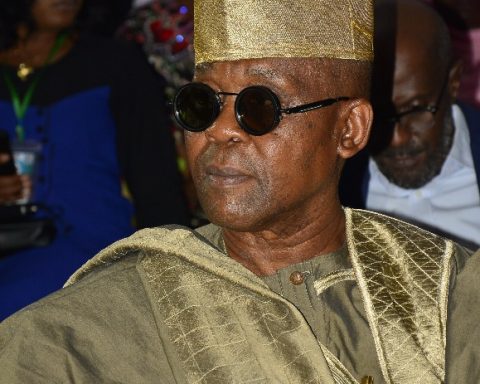
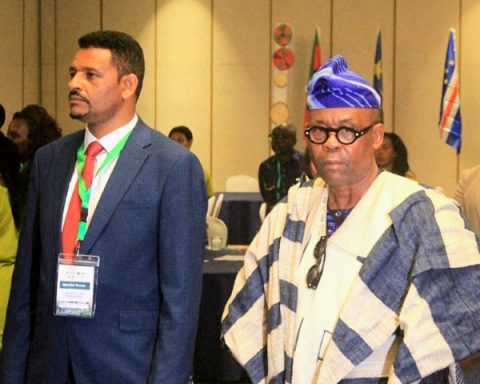
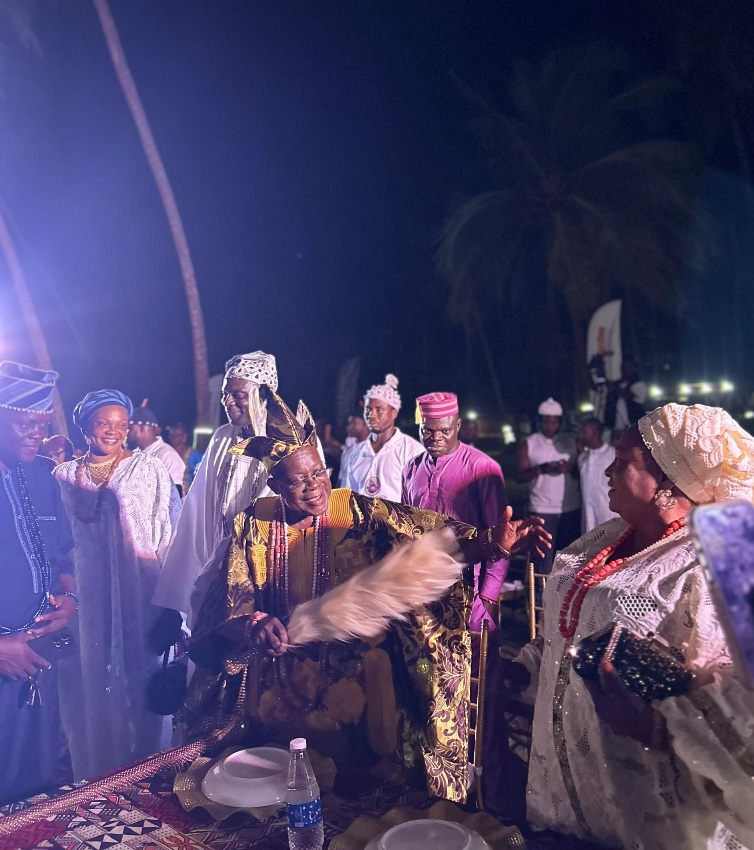
The play was witnessed by the high society, a gathering of returnees from the Diaspora which included, people from the Caribbean, USA, Great Britain, Brazil, Morocco, Ethiopia, Libya and other places around the world. There were also the high society from Lagos and around Nigeria, especially members of Nigeria Association of Chambers of Commerce industry Mines And Agriculture (NACCIMA), traditional rulers, students from various universities.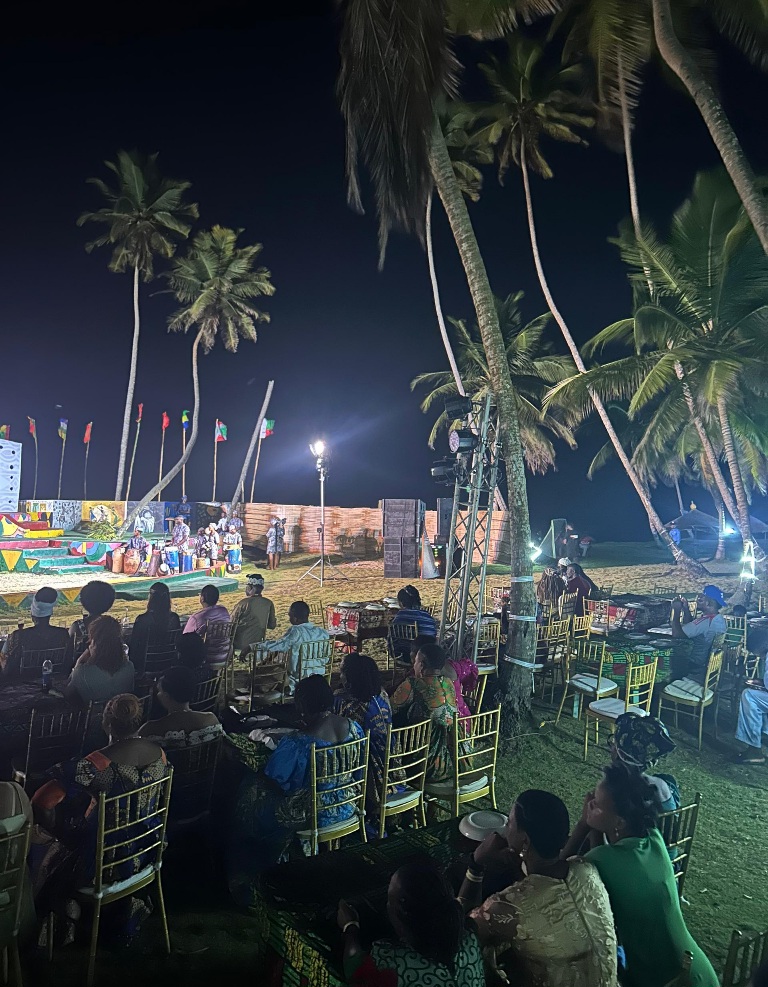
The play totally depicts the essence of Africa, a story of two kingdoms living side by side, one ten times stronger and bigger than the second, yet the stronger is always in a hurry to show its might over the smaller. The play is characterized by drumbeats, African songs, African dances, entertainment, comedy and a narrative that helps the audience to understand the different languages used throughout the play.
The story “Odigbose” is set in the 18th century and revolves around two African kingdoms:
Ulumila — the larger and wealthier kingdom
Jontolo — the smaller kingdom
Every twenty five years, the princes of both kingdoms compete in a traditional royal wrestling contest called ija omoba. The kingdom that wins rules over the other until the next contest.
For the first time, the prince of Jontolo defeats the prince of Ulumila.
This brings shame to Kabie, the king of Ulumila, who becomes angry and banishes his son Kosegbe for losing.
Meanwhile, Ojuoba, the princess of Ulumila, falls deeply in love with Ibori, the victorious prince of Jontolo. They promise to love each other forever.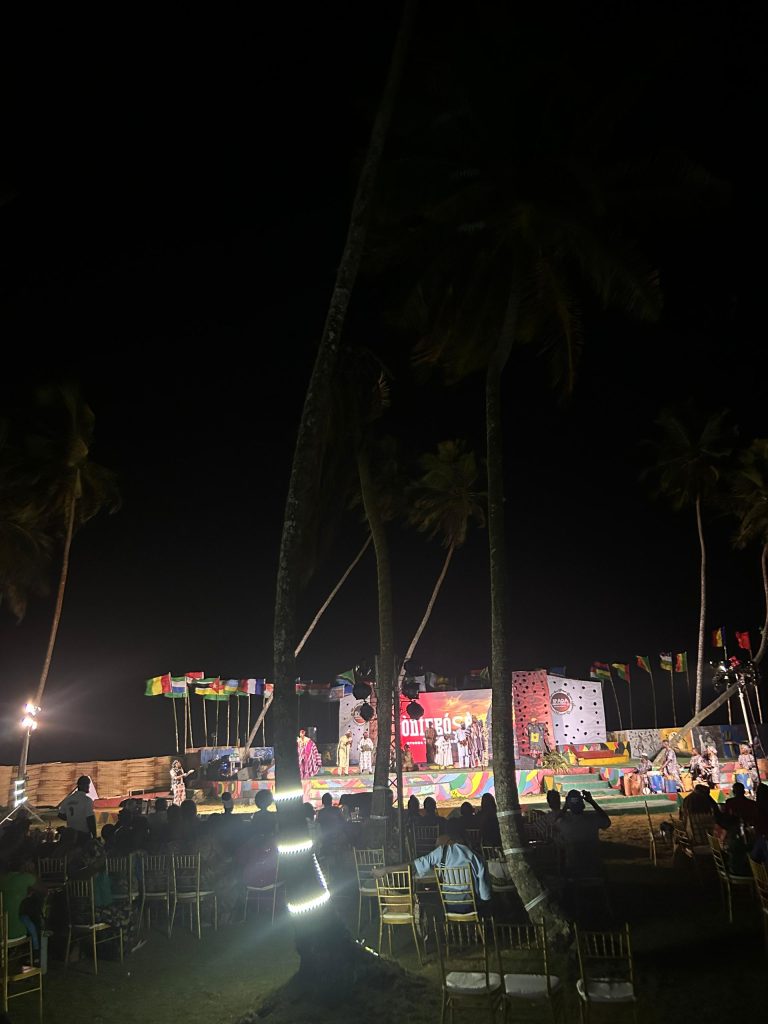
At the same time, white slave traders arrive. They discover that the two kingdoms are rivals and take advantage of the tension by giving Ulumila firearms. This encourages Ulumila to declare war on Jontolo.
Jontolo is defeated. Prince Ibori is captured and handed over to the slave traders.
Princess Ojuoba runs to him in desperation, but her father orders them to be separated. She takes on the sacred garment ‘Aso Irubo’, which makes it forbidden for anyone to touch her again.
Devastated and unable to live without him, Ojuoba walks into the sea and drowns herself as Ibori is taken away into slavery in a foreign land.