




















By Ochuko Kokofe
Canada has long been seen as a land of opportunity for Nigerians seeking quality education and a better future. However, beneath this hopeful narrative lies a growing crisis, as many Nigerian students grapple with financial hardship while studying overseas.
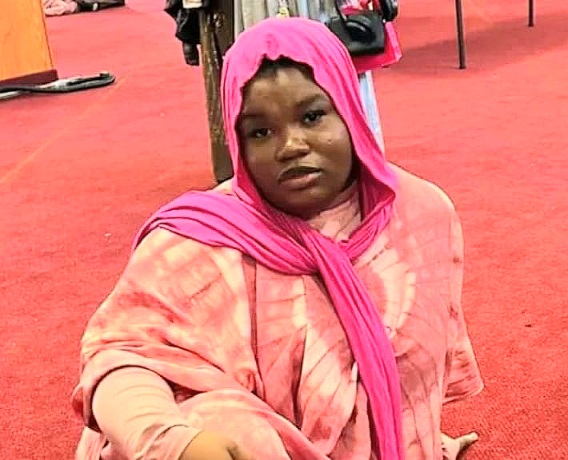
The recent death of Nigerian student Rodiyat Alabede, following a plasma donation procedure in Winnipeg, has brought renewed attention to the difficult conditions many international students face. The incident has sparked concern both in Canada and Nigeria, raising questions about the economic pressures pushing students toward risky means of survival.
Nigeria’s Rising Student Presence
Nigeria has become one of the fastest-growing sources of international students in Canada. According to immigration data, study permit approvals for Nigerians have increased sharply in recent years, with tens of thousands now enrolled in institutions across cities such as Toronto, Ottawa, Winnipeg, and Calgary.
Canada’s reputation for high-quality education and post-graduation immigration opportunities continues to attract young Nigerians eager to build a better future.
High Costs, Limited Resources
Despite these opportunities, the financial burden of studying in Canada remains overwhelming. Tuition fees for international students typically range between $20,000 and $40,000 annually, while living expenses, including rent, food, and transportation, can exceed $2,000 per month.
The depreciation of the Nigerian naira has further worsened the situation, making it significantly more expensive for families back home to support their children. Many students arrive with limited funds and quickly find themselves under financial strain.
Struggles with Work and Income
Although international students are allowed to work part-time during academic sessions and full-time during breaks, finding stable employment is often difficult. Many Nigerian students end up in low-paying jobs in sectors such as retail, hospitality, cleaning, and delivery services.
These roles, often offering minimum wage, are rarely sufficient to meet the rising cost of living, leaving students struggling to survive. Housing Challenges Intensify Pressure Accommodation remains one of the biggest challenges. With soaring rent prices in major cities like Toronto and Vancouver, students are often forced into overcrowded living arrangements, sharing apartments or renting small spaces far from their schools. Some resort to sleeping in living rooms or basements to cut costs, further highlighting the extent of the hardship.
Risky Alternatives for Survival
Faced with mounting expenses, some students turn to alternative sources of income, including gig work, freelancing, and participation in paid medical programs such as plasma donation. While plasma donation is legal and regulated in Canada, critics argue that it often attracts financially vulnerable individuals. The death of Rodiyat Alabede has intensified scrutiny of these programs and the circumstances that lead students to depend on them.
Mental Health and Emotional Strain
In addition to financial difficulties, many Nigerian students experience emotional challenges such as homesickness, culture shock, academic pressure, and anxiety about their finances.
Some choose not to share their struggles with family members in Nigeria, fearing they may appear ungrateful for the sacrifices made on their behalf. Meanwhile, community groups in cities like Toronto and Ottawa report increasing demand for counselling and financial support services.
Growing Asylum Claims
Another emerging trend is the rise in asylum applications among former international students. Experts link this to financial hardship, uncertainty around securing permanent residency, and concerns about returning to difficult economic conditions in Nigeria.
Calls for Reform
Advocates are urging Canadian authorities to implement stronger support systems for international students. Suggested measures include more affordable housing, expanded work opportunities, better financial transparency before arrival, and improved access to mental health services.
Many believe that given the economic contributions international students make, there is a need for policies that better protect their welfare.
A Wake-Up Call
For many Nigerians, studying in Canada remains a symbol of hope. However, the tragic death of Rodiyat Alabede has exposed the hidden struggles behind that dream.
As discussions around reform continue, there is growing hope that this incident will serve as a turning point, prompting meaningful changes to ensure that Nigerian students abroad are better supported and protected.